
Updated: 23rd March 2026 (Offers and availability may change)
Quick answer
Clothes feel thinner now because many brands are using lighter fabrics, more synthetic blends, and faster production methods to cut costs. That’s why items often wear out faster and feel lower quality than they used to.
However, not everything has gone downhill. Some brands still prioritise better materials and construction. Read on to understand what’s changed, and which ones are worth paying attention to.
Something feels off, and you can’t quite ignore it
There’s a moment a lot of people are having lately. You buy something new, it looks fine on the hanger, maybe even feels soft when you first try it on, but within a few wears something shifts. It doesn’t sit the same, it twists slightly after washing, and the fabric starts to feel tired far sooner than it should. You might not say it out loud, but the thought is there. This wouldn’t have happened a few years ago.
That quiet frustration is exactly why more people are asking why are clothes so thin now. It doesn’t feel like a one-off anymore. It feels like a pattern showing up across everything.
If you compare older clothes in your wardrobe to newer ones, the difference in weight and feel is often surprisingly obvious, even when the items look similar at first glance.
It’s not about price anymore
What makes this more frustrating is that spending more doesn’t seem to fix it.
People expect cheap clothes not to last forever, but now even mid-range purchases are wearing out far too quickly. You can spend £50 on a basic and still end up replacing it within months, which changes how people think about value altogether.
That’s why attention has shifted from price to how something actually performs over time. Once you notice the difference in one item, it becomes hard not to notice it everywhere else.
Clothing that actually feels well made
If you’ve noticed clothes not lasting, this is usually the turning point. Instead of just replacing things, people start looking for items that feel better made from the start.
You’ll often notice the difference within a few wears. Heavier fabrics, better structure, and more consistent construction stand out quickly once you’re paying attention. Most people notice it fastest with everyday items, because that’s where poor quality usually shows up first.
This is also where people realise that while a lot of clothing has changed, there are still brands making things properly, you just need to be more deliberate about where you buy from.
Recommended brands to start with
Once you realise not all clothes are made the same, it becomes much easier to spot what feels better quality and what’s worth buying in the first place.
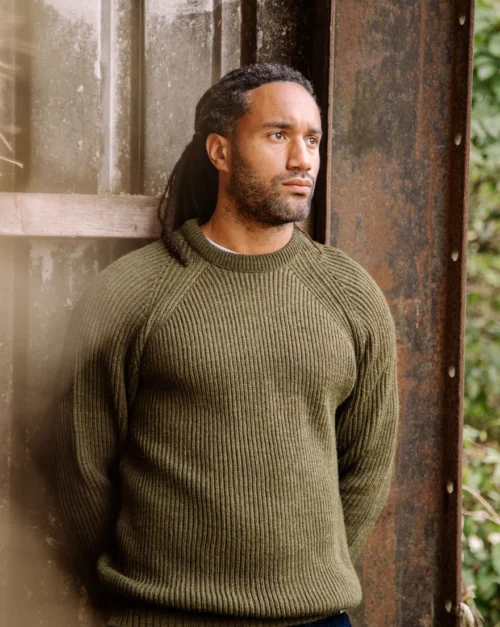
Built to Last British Knitwear – Peregrine Clothing
Crafted since 1796 with a focus on durability, sustainability, and keeping production close to home.
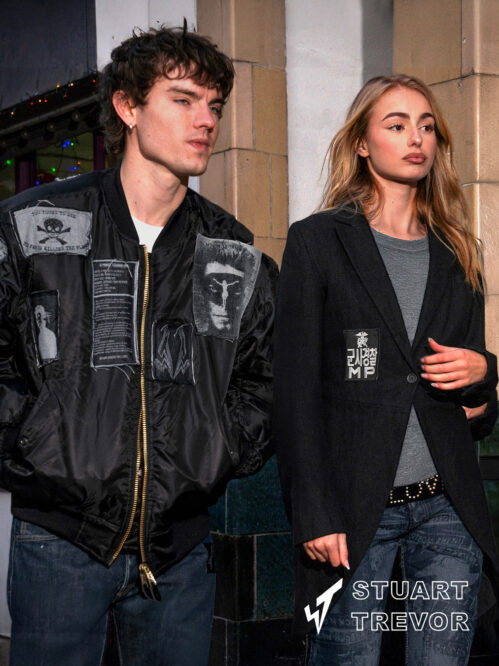
Fashion Without the Waste – Stuart Trevor UK
Focused on reducing waste and creating clothing people genuinely want to keep and wear for years.
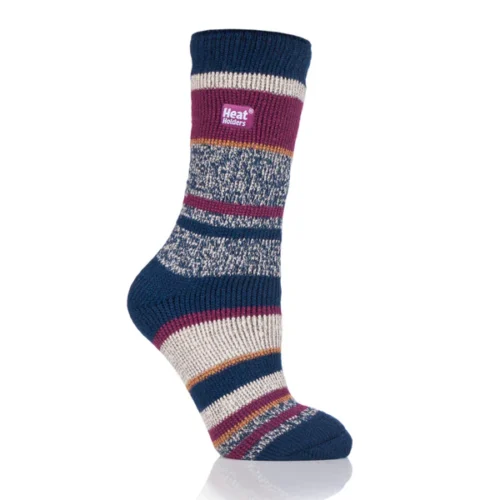
Serious Warmth You Can Feel – Heat Holders
Soft, comfortable layers designed to keep you warm without sacrificing everyday wearability.
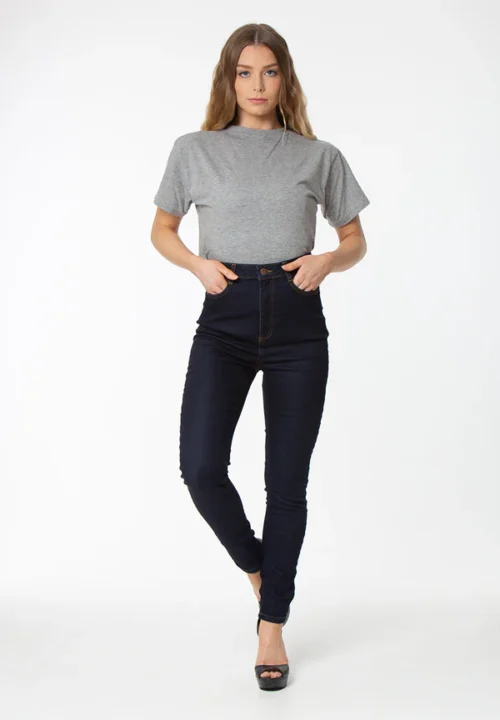
Jeans that actually fit properly – I Am Denim
Thicker denim that holds its shape while offering stretch, structure, and confidence in every fit.
You can see exactly how they compare to typical high street options in our full I Am Denim Review UK 2026: Are They Worth It?
The fabric is lighter, whether you notice it or not
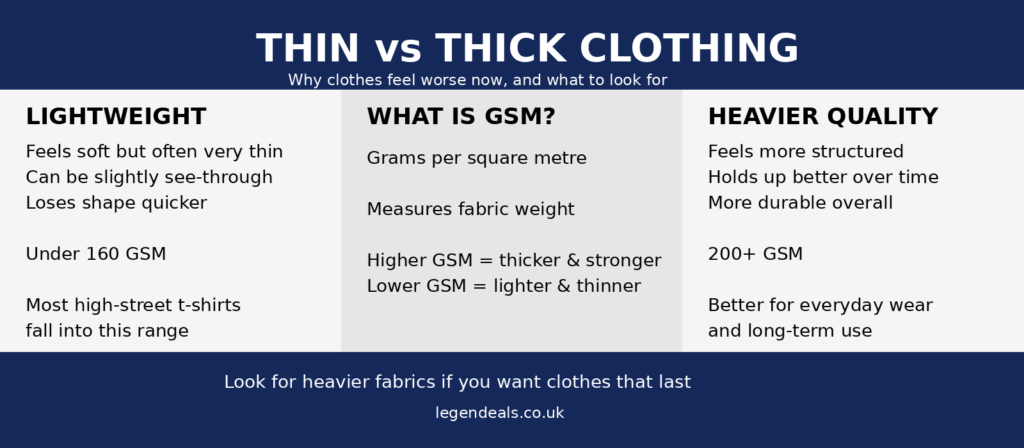
One of the biggest changes comes down to fabric weight.
Modern clothing is often made using less material than it used to be. Even small reductions can noticeably affect how something feels and how long it lasts. That’s why newer items can feel lighter, even when they look similar.
Once you notice how light modern clothing feels, it becomes difficult to ignore. It changes how you judge quality, because appearance alone is no longer enough.
Synthetic fibres have changed how clothes age
Another major factor is the increased use of synthetic fibres.
They’re cheaper and easier to produce, but they don’t behave the same way over time. They tend to pill more quickly, trap heat, and lose structure faster than natural materials.
That worn-out look after just a few washes is often down to the fabric itself rather than how it’s been cared for.
What’s happening behind the scenes
This shift hasn’t happened by accident.
Brands are balancing rising costs with the need to keep prices competitive and release new styles frequently. One of the simplest ways to manage that is by reducing material use or adjusting fabric blends.
Individually, these changes seem small. Over time, they add up in ways that people are now starting to notice.
Even good brands feel inconsistent now
You might buy something that feels great, then go back to the same brand and find the next item feels completely different.
That inconsistency comes from faster production and changing supply chains. Because of that, people are relying less on brand names and more on how something actually feels.
This becomes especially obvious with children’s clothing. Brands like Angel and Rocket highlight this clearly, because durability shows up quickly when items are washed regularly.
Brands people tend to stick with
Once you start noticing these differences, certain brands stand out simply because they feel more consistent and better made over time:
| Brand | Why people stick with it |
|---|---|
| Peregrine Clothing | Consistent weight and traditional construction |
| I Am Denim | Denim that holds structure and shape |
| Stuart Trevor UK | Focus on longevity over fast trends |
| Heat Holders | Dense fabrics designed for performance |
| Step One UK | Reliable quality in everyday essentials |
| Angel and Rocket | Durable kids clothing that holds up to washing |
| Bare Kind Bamboo Socks | Everyday items that don’t wear out quickly |
👉 We break down whether they’re actually worth it in our Are Step One Underwear Worth It? Honest UK Review
At that point, people tend to stop switching constantly and stick with what they know feels right.
You can usually tell straight away now
Once you start paying attention, it becomes easier to spot the difference.
If something feels too light, it often won’t last. If it feels overly synthetic, it may not hold up well over time. These small signals quickly build into a better sense of what’s worth buying, and once you reach that point, it becomes much easier to avoid items that won’t last.
People aren’t buying more, they’re buying differently
There hasn’t been a dramatic shift in how much people buy, but there has been a clear change in how they choose.
More attention is being paid to materials, structure, and feel. Price alone is no longer a reliable signal of quality, so decisions are becoming more deliberate. That often leads to buying fewer items, but choosing ones that feel like they’ll last.
Where this leaves you
Clothing hasn’t suddenly become poor quality, but it has changed in ways that add up.
Less material, different fabrics, and faster production have all had an impact. It’s not just frustrating, it can make it feel like you’re wasting money on things that should last longer.
That’s usually when people stop buying on impulse and start paying attention to what actually feels well made, and those are the items they tend to keep.
FAQs
Why are clothes so thin now?
Because brands use less material and more synthetic blends to reduce costs and increase production speed.
Why do clothes wear out faster now?
Lighter fabrics and different fibre blends mean clothes lose structure more quickly.
Are expensive clothes better quality?
Not always. Quality now depends more on materials and construction than price alone.
Final thought
Clothing hasn’t suddenly become terrible. But it has changed in ways that are easy to notice once you’re aware of them. And once you notice it, it becomes much easier to choose better.