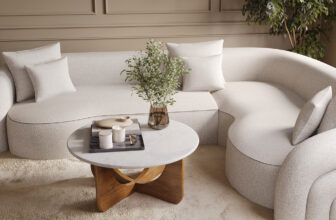

If you are searching for low effort cleaning products, cleaning gadgets that save time, or practical ways to clean less often, this guide is for you.
This is not about deep cleaning routines or aesthetic homes. It is about reducing repetition, lowering mental load, and using products that genuinely make cleaning easier in everyday life.
The best products for people who hate cleaning do one of three things:
- reduce how often cleaning needs to happen
- remove a repetitive daily task
- stop mess building up in the first place
Some are inexpensive. Some cost more upfront. Every product listed here earns its place by removing friction rather than adding a new routine.
What kinds of solutions actually help if you hate cleaning?
The products that help most are not about deep cleaning or perfect systems. They reduce repeat effort, remove decision points, or stop mess building up in the first place.
If a product adds steps, reminders, or precise timing, it usually makes cleaning harder, not easier
A quick comparison: which products reduce effort most
| What frustrates you most | Product type that helps most | Why it helps |
|---|---|---|
| Wiping surfaces feels pointless | Surface protection products | Slows visible mess returning |
| Clutter comes back instantly | Everyday storage products | Makes putting things away automatic |
| Laundry feels never-ending | Laundry effort-reduction tools | Cuts steps like sorting and folding |
| Floors look dirty immediately | Robot vacuum cleaners | Prevents build-up without effort |
| Washing up never stays done | Dishwashers (full-size or tabletop) | Removes a daily reset task |
What Actually Reduces Cleaning Effort?
The most effective low effort cleaning products:
- prevent visible build-up
- reduce decision points
- remove daily reset tasks
- fit naturally into existing behaviour
If a product adds reminders, setup, or precision timing, it usually increases effort rather than reducing it.
Surface Protection Products That Reduce Cleaning Frequency
Surface cleaning feels pointless when mess returns within hours. The aim here is not scrubbing harder. It is slowing how quickly surfaces look dirty.
These products reduce frequency rather than eliminate cleaning.

V33 Worktop Protection adds a durable protective layer that helps spills, grease, and stains wipe away instead of soaking in or sticking. This slows how quickly worktops start to look grubby, which means fewer deep cleans and less urgency to scrub immediately after every mess.
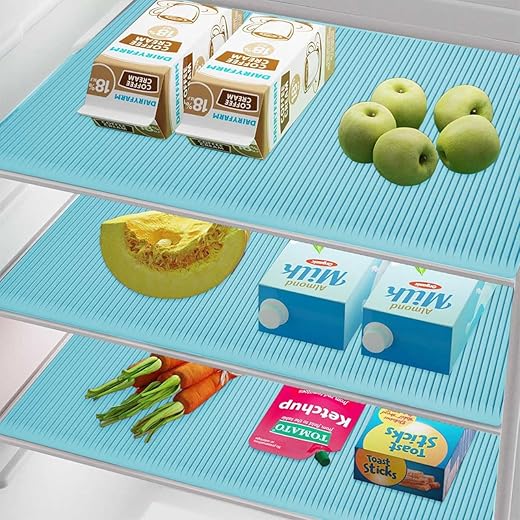
These silicone fridge shelf liners catch leaks, crumbs, and sticky residue before they reach the shelf itself. When mess happens, you remove and rinse the liner rather than cleaning the fridge or cupboard, reducing both effort and frequency.

A super absorbent draining mat absorbs splashes, drips, and condensation around sinks and coffee machines, stopping water marks and residue from spreading across the counter. This turns constant wiping into occasional washing.

A waterproof armchair cover protects upholstery from spills, crumbs, and everyday wear in the places people actually sit. Instead of spot-cleaning furniture, you remove and wash the cover, which is usually quicker and less frustrating.
Everyday storage products that reduce clutter
Cleaning feels hardest when clutter returns faster than you can deal with it.
Helpful products here are not about adding more storage for its own sake. They make it easy to put things away without thinking by using open containers, clearly limited spaces, and storage that lives exactly where the items are used.

This hanging fruit basket keeps everyday food visible and easy to grab, which reduces countertop clutter without requiring organisation. Because nothing needs opening, closing, or stacking, items naturally get put back instead of drifting across surfaces.

This over-door pantry rack creates vertical storage exactly where food is used, without taking up floor or counter space. Items stay visible and reachable, which reduces duplicate buying and stops cupboards becoming forgotten clutter zones.

Under-sink areas collect mess because they are awkward to access. This organiser creates defined, limited space so cleaning products and spares stay contained without stacking or rummaging, making the area easier to ignore without consequences.

These fridge organisers divide space into small, visible sections that stop items spreading. When space is clearly limited, overfilling becomes harder, which reduces the need to reorganise or clean up forgotten spills.
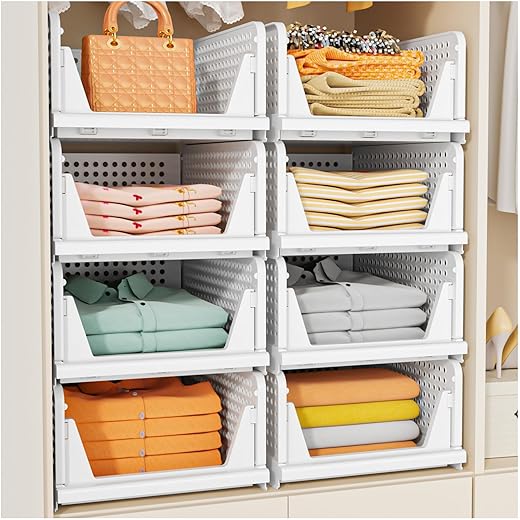
These open wardrobe organisers work as demonstrated limits rather than strict systems. Clothes can be dropped in quickly, which prevents piles forming on floors or chairs and reduces how often rooms feel untidy.

Laundry effort-reduction tools
Laundry becomes overwhelming when it involves sorting, folding, and multiple decision points.
Products that genuinely help here focus on:
- reducing sorting
- making air drying easier
- cutting ironing or folding
The goal is fewer touchpoints, not perfect laundry routines.
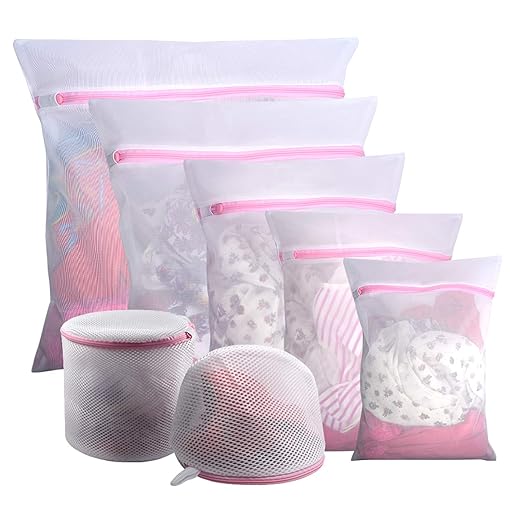
These mesh laundry bags reduce sorting after washing by grouping items before they go into the machine. Socks, underwear, or small items come out already contained, which means fewer decisions and less handling once the wash is finished.

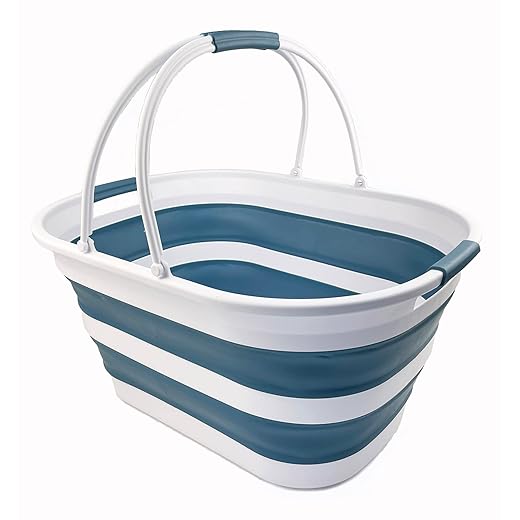
This collapsible basket works best when placed exactly where clothes are removed. By catching laundry at the point it would otherwise become a pile, it reduces repeat picking-up and stops mess spreading across the room.

This laundry trolley reduces the physical effort of moving heavy loads between rooms. Fewer trips and less carrying means laundry feels less draining and more manageable, especially when energy is limited.

This drying rack allows clothes to be hung in one go without careful spacing or pegs. The goal is to transfer clothes once and leave them to dry, rather than adjusting, rebalancing, or revisiting them repeatedly.

These multi-trouser hangers allow clothes to dry on hangers and go straight back into the wardrobe. This removes folding and reduces how many times each item needs to be handled.
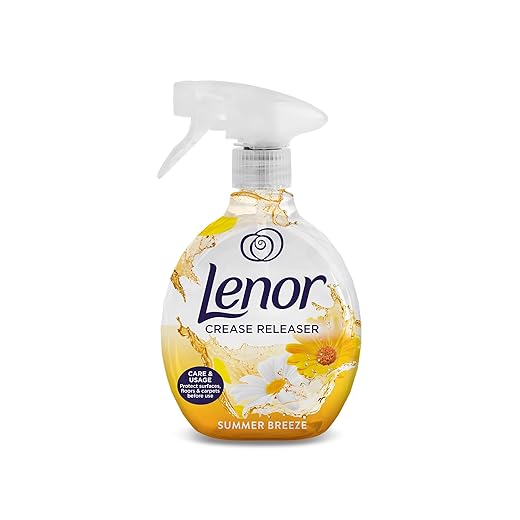
Crease release spray helps clothes look wearable without ironing. Used selectively on everyday items, it cuts down how often ironing feels necessary rather than replacing it entirely.
Robot vacuum cleaners
Floors are another task that never stays done. Crumbs, dust, pet hair, and outdoor dirt return quickly, especially in busy homes.
Robot vacuums help not by deep cleaning, but by stopping mess from building up in the first place. Running little and often is what makes the difference.
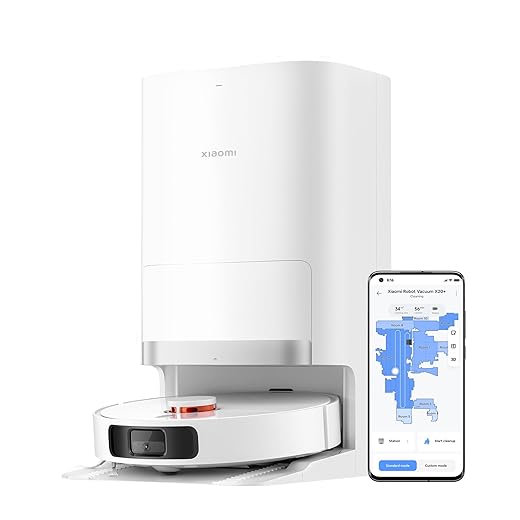
The Xiaomi Robot Vacuum X20+ is designed to stop mess building up rather than tackle deep cleaning. It works best when run little and often, quietly picking up crumbs, dust, and hair so floors never get noticeably dirty in the first place. This suits people who want floors kept “good enough” without thinking about them.
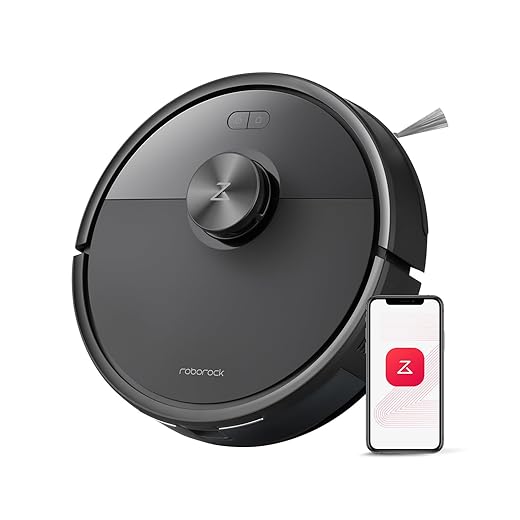
The Roborock Q7 M5 adds light mopping on top of daily vacuuming, which makes it useful in kitchens and hard-floor areas where floors feel gritty or sticky between proper cleans. It is not a replacement for mopping, but it reduces how often floors reach the point of needing on

The Eufy X10 Pro Omni is for people who dislike maintenance as much as cleaning itself. By emptying its own dustbin and managing mop washing and drying, it removes most of the ongoing effort. This makes it more likely to be used consistently, which is what actually keeps floors under co
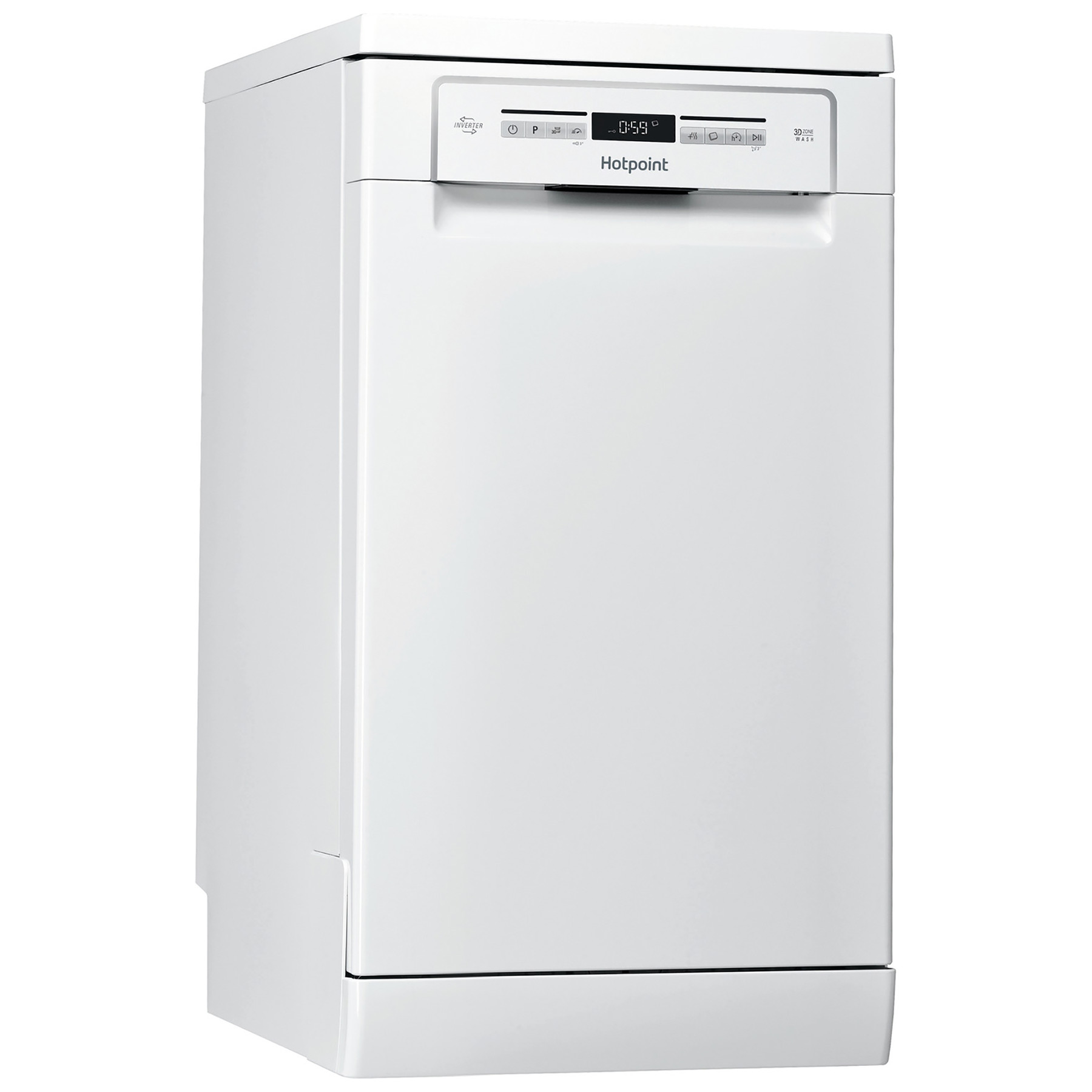
Dishwashers (full-size and tabletop options)
Washing up is one of the most emotionally draining chores because it resets daily. Even people who do not mind cleaning often hate dishes.
For homes with space, a full-size dishwasher is still the most effective solution. It does not just save time, it removes decision-making and repeat effort.
For smaller kitchens, renters, or people without plumbing flexibility, tabletop dishwashers are often a more realistic option. They sit on a counter, plug into a socket, and usually connect to a tap or fill manually.


What these products help with – and what they don’t
These products help by reducing how often cleaning needs to happen, cutting out the most repetitive tasks, and lowering the mental load of constantly noticing mess. The biggest difference is not always time saved, but how much less cleaning occupies your attention.
They do not remove the need to clean entirely, keep homes permanently spotless, or work if they are awkward to use or easy to ignore. A product only helps if it fits into everyday life without creating a new layer of effort.
Choosing the right product is about honesty, not aspiration.

Practical buying guidance before you choose anything
A few realities that save money and frustration:
- expensive products only help if they remove a task you actually hate
- features matter less than ease of use
- simpler products are used more consistently
- prevention often helps more than stronger cleaning power
Three buying rules that prevent regret
- If it replaces one task but adds another, skip it
- If it needs regular setup, it will be used less over time
- If it only works in perfect conditions, it will be ignored
Do products for people who hate cleaning actually reduce how often you clean?
Yes, but they do it by reducing build-up and repetition rather than eliminating cleaning completely. The most effective products lower how often tasks need doing or stop mess becoming noticeable so quickly, which makes cleaning feel less constant and less draining.
Are expensive cleaning products always better than cheaper ones?
Many are. Portable, countertop, and freestanding products are often better suited to rented homes because they do not require permanent installation or changes to the property. Always check size, storage needs, and power requirements before buying.
Are these cleaning products suitable for renters in the UK?
Many are. Portable, countertop, and freestanding products are often better suited to rented homes because they do not require permanent installation or changes to the property. Always check size, storage needs, and power requirements before buying.
Is it better to buy one cleaning product or several?
Buying one well-chosen product that targets your biggest frustration is usually more effective than buying several tools. Too many products often add clutter and decision-making, which can make cleaning feel harder rather than easier.
If a product does not make life easier within a few weeks, it is probably not the right one. The aim is not to replace one chore with another, or to add a new routine you have to remember. The most helpful products are the ones you stop noticing because they quietly remove a task or slow mess building up.
Cleaning will never disappear completely, but it does not have to feel constant. Choosing the right product is about reducing friction, not fixing yourself.
FINAL NOTE
If a product does not make life easier within a few weeks, it is probably not the right one. The aim is not to replace one chore with another, or to add a new routine you have to remember. The most helpful products are the ones you stop noticing because they quietly remove a task or slow mess building up.
Cleaning will never disappear completely, but it does not have to feel constant. Choosing the right product is about reducing friction, not fixing yourself.