

If you regularly overheat at night, wake up sweaty, or feel too warm in bed even when the room is not hot, you are not imagining it.
Many “hot sleepers” struggle with heat and moisture being trapped in the bed itself. The problem is often not the room temperature. It is mattresses that retain warmth, duvets that are too insulating for year-round use, bedding that traps sweat, and limited airflow.
If you are searching for how to stay cool at night without air conditioning, the solution usually involves improving breathability and airflow rather than lowering the thermostat.
This guide looks at the best cooling products for hot sleepers in the UK, focusing on options that work for clear reasons, not just surface coolness.
Why Do I Get Too Hot in Bed Even When the Room Is Cool?
Overheating at night is usually caused by trapped heat and moisture.
Once you lie down, your body releases heat into the mattress, pillow and duvet. If those materials retain warmth or block airflow, heat builds up. When sweat cannot evaporate, your body struggles to cool itself.
This is why many “cooling” products feel cool at first but uncomfortable later. Surface coolness does not matter if heat and moisture have nowhere to go.
To sleep cooler, you need to address the main source of trapped heat.
Products that help if you hate being too warm at night
The sections below are grouped by where heat most commonly builds up. For most people, one of these is usually where the biggest improvement comes from.
Best Cooling Mattress Toppers UK for Hot Sleepers
If warmth feels like it is coming from underneath you, the mattress is often the main problem.
Many modern mattresses retain heat by design. A breathable cooling mattress topper creates airflow between your body and the mattress, helping heat disperse rather than accumulate.
Cooling toppers help most when:
- The mattress feels warm to the touch
- You wake up overheated regardless of duvet
- Replacing the mattress is not realistic
What matters most is airflow, not thickness. Very thick memory foam toppers labelled “cooling” often trap more heat over time.

The Silentnight Airmax 800 Mattress Topper is designed to reduce overheating by improving airflow around your body. Its mesh sides let warm air escape instead of trapping it in dense foam, while still adding comfort. This makes it especially useful if you wake up hot during the night rather than just feeling warm when you first get into bed.

Best Summer Duvets for Hot Sleepers UK
Using the same duvet all year is one of the most common reasons people feel too warm at night.
Using the same duvet all year is one of the most common reasons people overheat at night.
A lower tog duvet allows excess heat to escape instead of trapping it around your body. In much of the UK, a 4.5 tog duvet is suitable for most of the year.
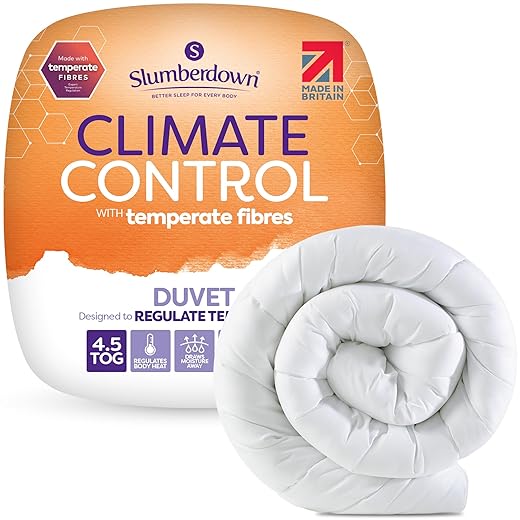
The Slumberdown Climate Control 4.5 Tog Duvet is made for warm sleepers who still want light coverage. It allows heat and moisture to escape, helping your body temperature stay more even overnight. This is a good everyday summer option when standard duvets feel stuffy.

The Silentnight Summer Breeze 2.5 Tog Duvet is extremely lightweight, making it ideal for heatwaves, night sweats, or hot flushes. It provides just enough coverage to avoid feeling exposed, without trapping heat around your body.
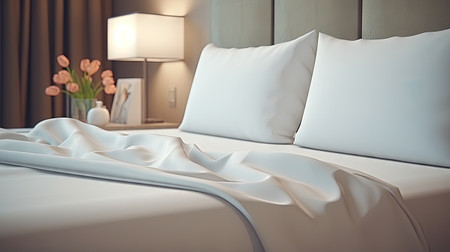
Best Breathable Bedding for Hot Sleepers
Even the right duvet can feel uncomfortable if sheets trap heat and moisture.
Breathable bedding allows sweat to evaporate instead of sitting against the skin.
Cotton percale, linen and some bamboo blends tend to perform better than brushed cotton or heavily finished fabrics.

Best Cooling Pillows for Night Sweats and Overheating
The head and neck release significant heat. If you keep turning your pillow over, it is likely retaining warmth.
Cooling pillows help locally but will not fix heat from the mattress or duvet.


The Slumberdown Climate Control Pillows use breathable fibre fillings rather than foam, allowing air and moisture to move more freely. They are a good choice if your pillow gets warm during the night and you want something that stays fresher for longer.
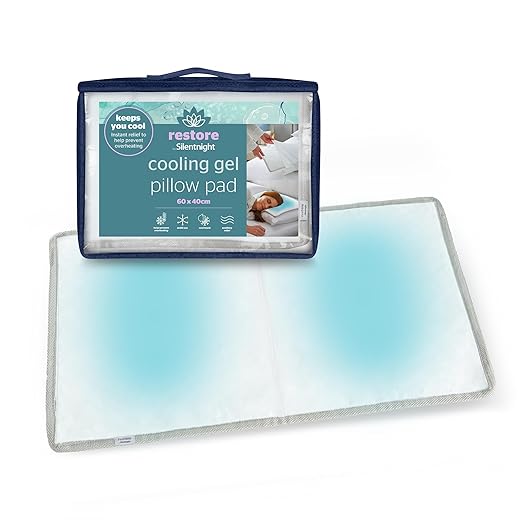
The Silentnight Restore Cooling Pillow Pad sits on top of your existing pillow and absorbs surface heat. It is particularly useful for night sweats or hot flushes, letting you cool one problem area without replacing your pillow.
Best Bedroom Fans UK for Staying Cool at Night
If the room feels stagnant, airflow matters more than bedding changes.
Fans improve circulation and help warm air dissipate.
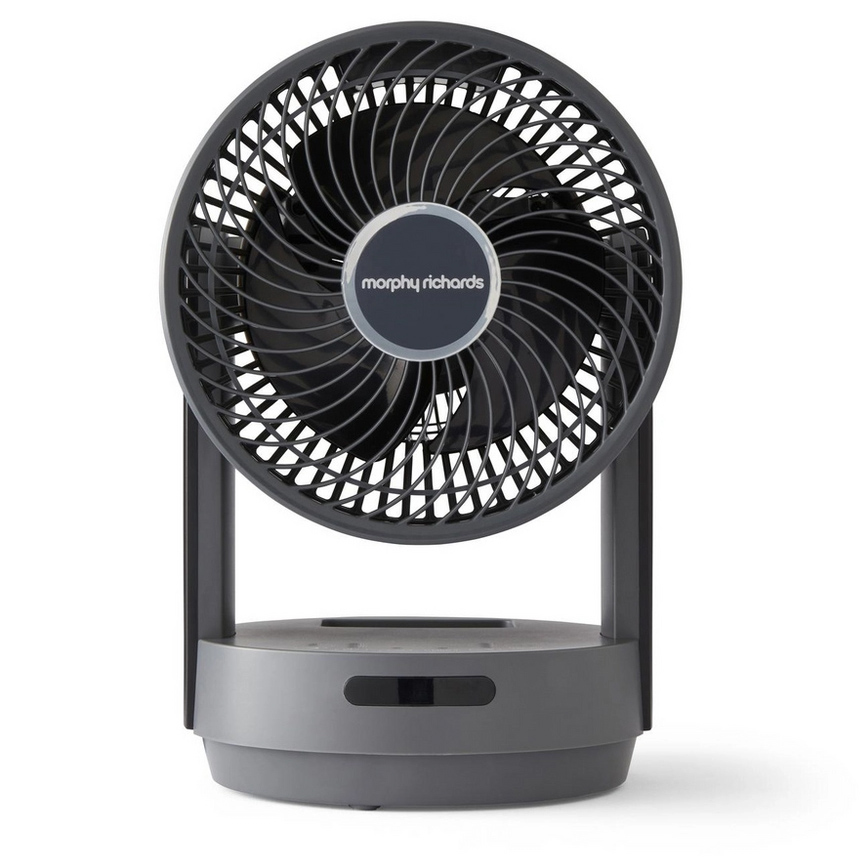

The Dreo 28dB Silent Tower Fan moves air across the whole bedroom while staying quiet enough for sleep. It helps prevent heat building up around the bed and is one of the most effective options if your room stays warm even with windows open.
When cheaper changes are enough, and when they are not
Not every situation needs a major purchase.
Mild discomfort often improves with bedding changes alone. Heat that feels like it rises from underneath usually needs a topper. Stuffy rooms benefit most from improved airflow.
A common mistake is repeatedly buying small “cooling” accessories without addressing a heat-retaining mattress. If the base problem remains, the discomfort usually does too.
FAQs about products for people who hate being too warm at night
Do cooling products actually work, or is it mostly marketing?
They work when they improve breathability and airflow. Products that rely on surface coolness without addressing heat and moisture build-up often disappoint after the first hour or two.
How quickly should I expect a difference?
If a product is right for your situation, you should notice a change within a few nights. If nothing improves after a week, it is unlikely to suddenly start working.
Why do some products feel cooler at first but worse later?
Initial coolness often comes from surface materials. Once heat and moisture build, poorly ventilated products trap warmth rather than releasing it.
Are these products suitable for UK homes, or only for hot climates?
They are particularly suitable for UK homes, where overheating is usually caused by insulation, bedding choices, and airflow rather than extreme temperatures.
Is it worth layering multiple “cooling” products?
Only if each one addresses a different source of heat. Layering several similar products often adds bulk and makes overheating worse.
Final note
If you hate being too warm at night, this is not a minor preference. Persistent discomfort, even when it seems manageable, quietly erodes sleep quality over time.
The goal is not to feel cold. It is to sleep without noticing your bed at all.
When a product works, you stop thinking about it. You stop adjusting covers, turning pillows, and waking without quite knowing why. If something does not give you that relief after a short period, it is not the right solution for you.
At that point, the answer is not more products. It is a better-matched one.