Most people think saving money means cutting things out. Fewer coffees, fewer treats, fewer small comforts.
In reality, that’s not where most of the waste actually sits.
It tends to come from the small, repeat costs that run in the background of everyday life. Things you keep paying for without noticing, simply because nothing has replaced them. That’s where the difference is made, and it’s exactly what these cheap buys that quietly save you money over time are designed to fix.
They don’t rely on motivation, discipline, or remembering to do something differently. Instead, they remove costs that are already happening, so once they’re in place, the saving becomes automatic.
The cheapest buys that quietly save you money over time (start here)
If you only change a handful of things, a few stand out because they start making a difference almost straight away.
Switching to LED bulbs, using rechargeable batteries, and sealing draughts are three of the most reliable examples. Not because they are clever or new, but because they deal directly with costs that are already happening every day in most homes.
If any of those apply to your situation, they are usually the most worthwhile place to start.

Why cheap buys that quietly save you money over time actually work
A lot of products that promise to save money never really deliver in the long term. The reason is usually the same: they depend on effort.
If something requires you to remember to use it, stick to a new habit, or consistently change your behaviour, it tends to fade over time. When that happens, the original cost quietly returns.
The cheap buys that quietly save you money over time work differently. They replace something you are already paying for, whether that is excess energy use, disposable items, wasted heat, or food that ends up being thrown away.
Once that replacement is in place, there is nothing to maintain. The saving simply continues in the background.
12 things that genuinely save money over time
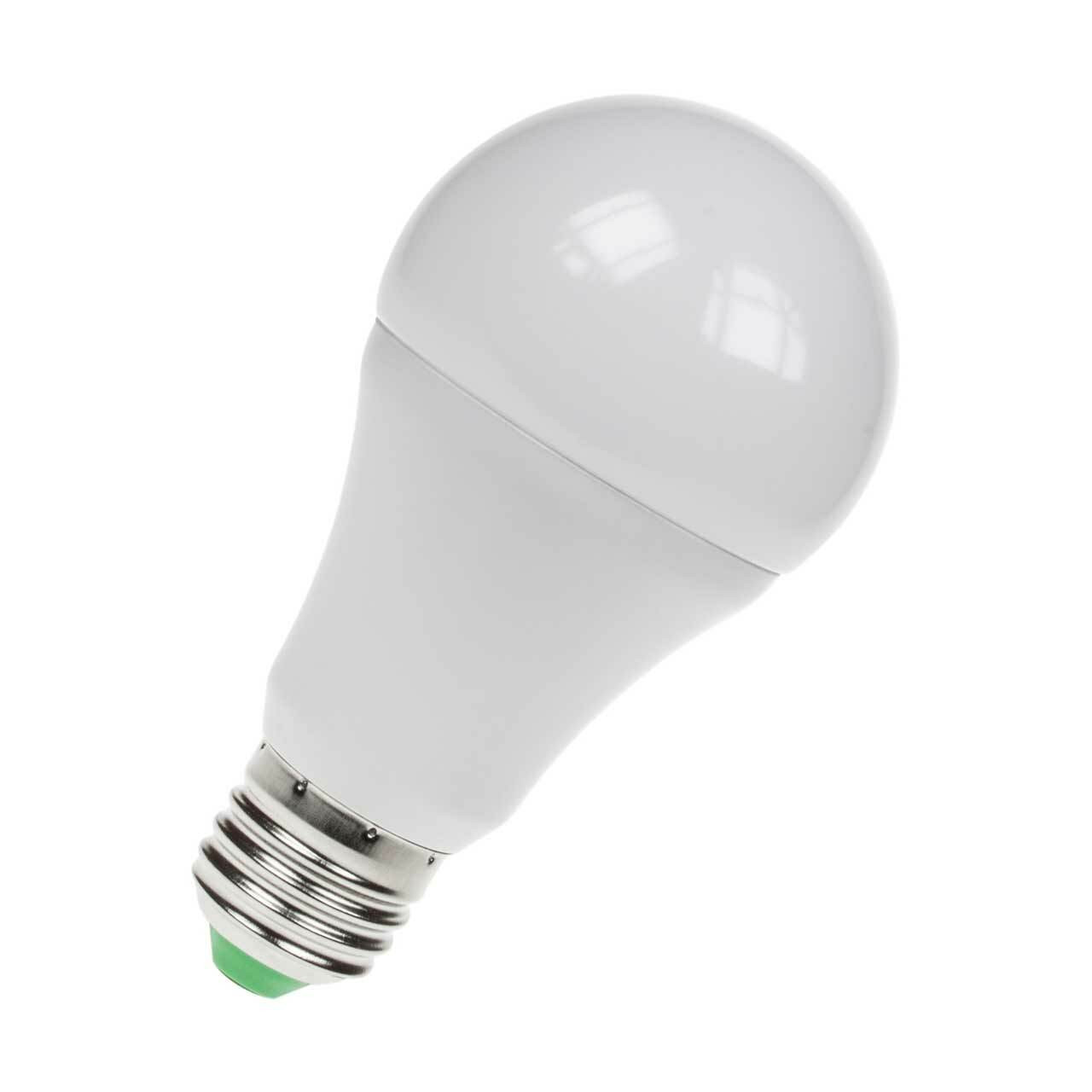
1) LED light bulbs
If you still have older bulbs anywhere in your home, you are paying more than necessary every time that light is on. In a kitchen with multiple spotlights used every evening, that difference builds far quicker than most people expect.
Switching to LEDs reduces the cost immediately without changing how you use the space. It’s one of the few upgrades where you don’t need to do anything differently to benefit.
This matters most in rooms used daily. If it’s a cupboard you open once a week, you won’t notice much. But in kitchens, hallways, and living areas, it’s one of the easiest long-term wins.

A solid everyday razor that feels premium without the price tag, with a bamboo handle that actually looks good in your bathroom.
Smooth shave, less plastic, and a brand that keeps things simple and effective.

If you’re constantly picking up bottled water, this pays for itself quickly and cuts the habit without thinking about it.
One simple switch that saves money, reduces waste, and just makes everyday life easier.
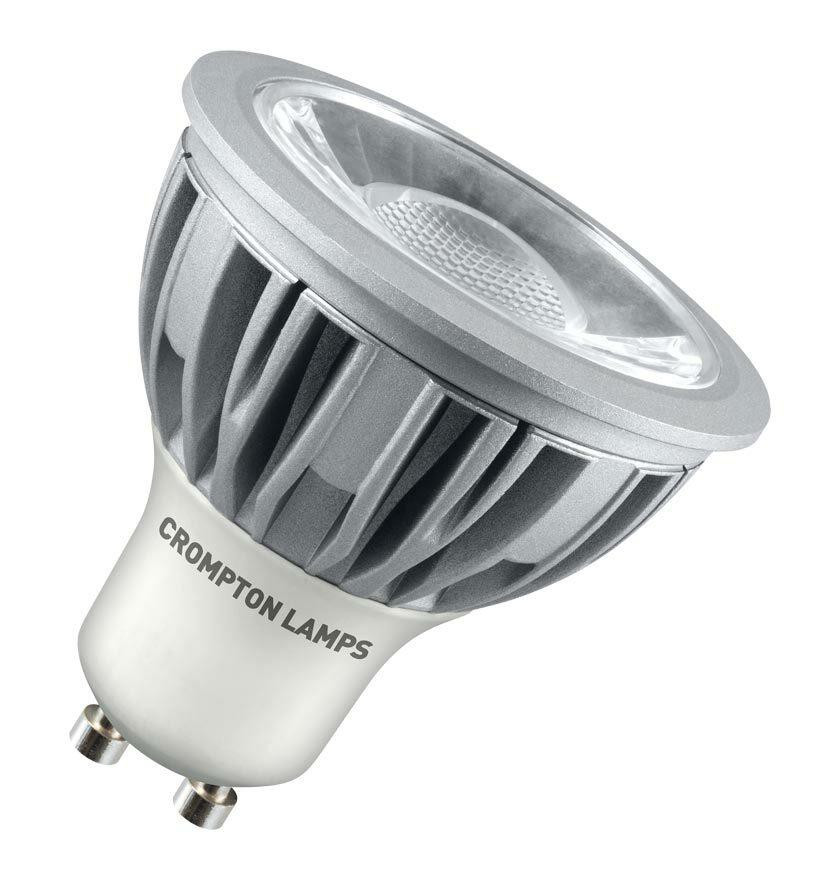
Ideal if you’ve got multiple spotlights in the kitchen or living room.
2) Draft excluder strips for doors and windows
If you can feel cold air around a door or window, you are constantly losing heat and paying to replace it. It’s one of those problems that doesn’t feel urgent, but quietly affects your heating use every day.
Once sealed, rooms tend to feel warmer almost immediately, especially in older homes or places with noticeable gaps. It often reduces how often you reach for the thermostat without thinking.
If your home is already well insulated and sealed, the difference will be smaller. But in most properties, particularly older ones, this is one of the simplest fixes with a clear impact.
Handy for porches and hallways, and cheaper than leaving lights on “just in case”.
Stops cold air sneaking in under the door, so rooms hold heat better.
A small, cheap fix that can reduce how often you feel you need the heating on.
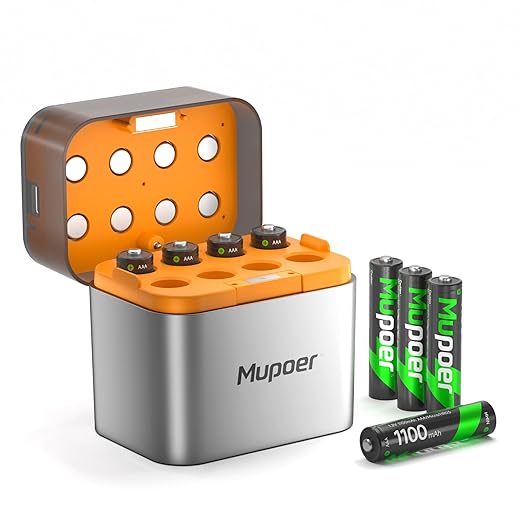
3) Rechargeable batteries with a basic charger
Disposable batteries are easy to overlook because each purchase is small, but they add up in homes with remotes, toys, controllers or seasonal lights.
If you’ve ever found yourself buying another pack because everything suddenly runs out at once, you’ve already felt the pattern.
Rechargeables break that cycle. Once you’re using them, the need to keep buying replacements largely disappears.
If you rarely use batteries, the benefit is limited. But in most households, this is one of the most consistent long-term savings.
Replaces endless multipacks of disposable AAAs for remotes, toys, and gadgets.
Pays off after a few recharge cycles, especially in homes with battery-hungry devices.
4) Reusable razor handle with replaceable blades
Cartridge razors rarely feel expensive in the moment, but the ongoing cost is easy to underestimate. Over time, those refills quietly add up.
Switching to a reusable handle doesn’t change your routine. It simply reduces the cost of maintaining it.
If you shave regularly, the saving becomes noticeable fairly quickly. If it’s only occasional, the difference is less important, but for frequent use, it’s a straightforward upgrade.
A solid everyday razor that feels premium without the price tag, with a bamboo handle that actually looks good in your bathroom.
Smooth shave, less plastic, and a brand that keeps things simple and effective.
5) Microfibre cleaning cloths
If you’re regularly buying kitchen roll or wipes, you’re replacing something that doesn’t need replacing.
A typical example is wiping down surfaces or cleaning spills where disposable products are used out of habit. Microfibre cloths handle the same jobs and can be reused again and again.
Over time, this changes what you reach for by default, and you naturally stop buying as many disposables.
If you don’t mind washing and reusing cloths, the saving builds steadily. If you strongly prefer single-use products, it’s less likely to stick.

Wash, reuse, repeat, and you’ll buy fewer consumables month to month.
6) Water filter jug (only if you buy bottled water)
If you regularly buy bottled water, the cost adds up far more than it seems week to week.
A filter jug replaces that habit without really changing the outcome. You still have ready-to-drink water, just without the repeated purchase.
If you already drink tap water happily, this won’t make a difference. But for bottled water buyers, it’s one of the simplest swaps available.
Wash, reuse, repeat, and you’ll buy fewer consumables month to month.
7) Insulated travel mug
This isn’t about forcing yourself to prepare drinks every day. It’s about having the option.
A common situation is buying a coffee simply because you’re out and don’t have one with you. Having a travel mug removes that default decision.
Even cutting a couple of those purchases each week adds up over time.
If you’re constantly picking up bottled water, this pays for itself quickly and cuts the habit without thinking about it.
One simple switch that saves money, reduces waste, and just makes everyday life easier.
8) Simple smart plug
Standby energy use is easy to ignore because it doesn’t feel like much in isolation. But across multiple devices, all day, every day, it becomes a steady cost.
Smart plugs automate switching off, so you don’t need to remember. That’s what makes them effective.
If you already switch everything off manually, the impact is smaller. But for most people, this removes a habit they don’t consistently maintain.
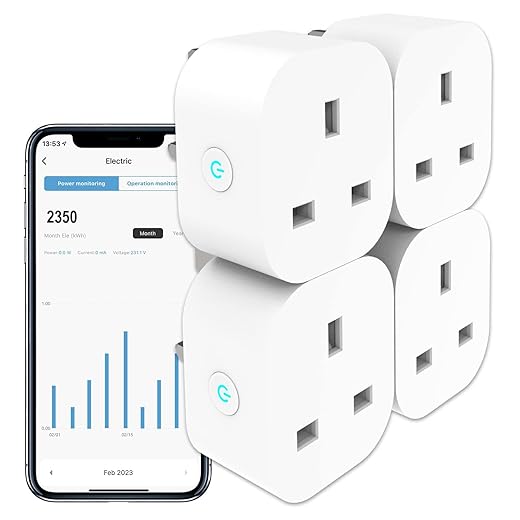
Helps you cut standby power and track what appliances are quietly costing you.
Great for building a “switch it off automatically” habit without thinking about it.
9) Proper food storage with good seals
Food waste often comes from things being forgotten at the back of a fridge or going stale before they’re used.
Better storage makes food easier to see and keeps it fresh for longer, which reduces how often you need to replace it.
If you cook regularly or store leftovers, the difference is noticeable. If you rarely store food, it’s less relevant.
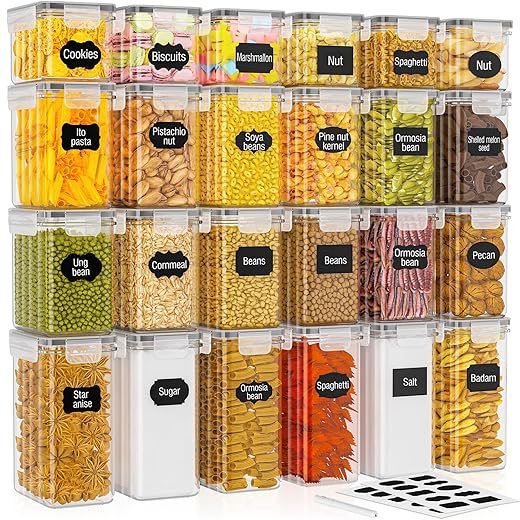
Keeps staples fresher and makes it easier to use what you already have.
Less food waste and fewer last-minute “we’ve run out” top-up shops.
10) Fabric shaver or lint remover
Clothes are often replaced because they look worn rather than being unusable.
A fabric shaver restores the appearance of jumpers and coats quickly, which helps extend how long you keep them.
If you wear a lot of knitwear, the benefit is clear. If most of your clothing is smooth fabrics, you may not need it.
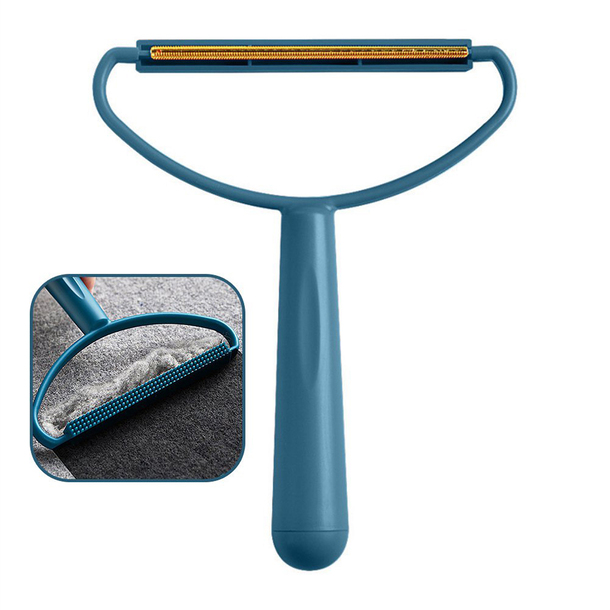

Makes jumpers, coats and soft furnishings look newer, so you replace them less often.
One of the cheapest ways to extend the life of clothes you already own.
11) Descaler for kettles and appliances
In hard water areas, limescale builds up quickly and affects how appliances perform.
Kettles take longer, showers lose pressure, and appliances become less efficient. That leads to higher energy use and earlier replacement.
Regular descaling helps avoid those issues. In soft water areas, the impact is much smaller.

If you buy even one café drink a week, this can pay for itself quickly.
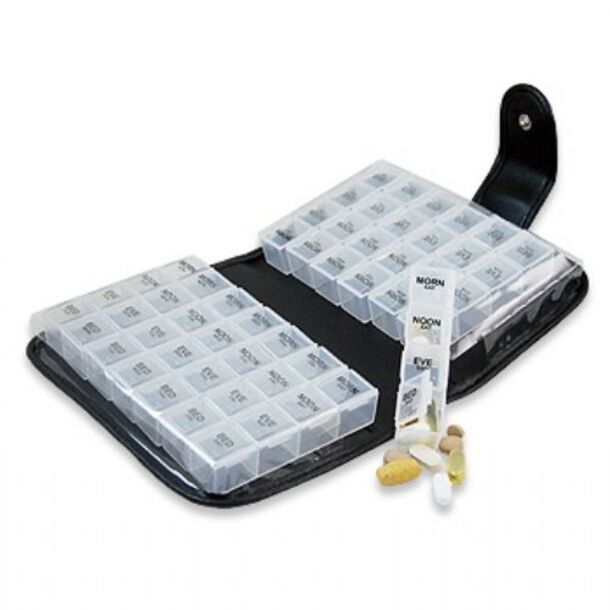
12) Pill organiser or weekly planner
If you’re unsure what you’ve taken or what you have left, it’s easy to buy duplicates.
A pill organiser removes that uncertainty by making everything visible and consistent.
If you take supplements or medication regularly, it reduces waste. If not, it won’t make much difference.
What cheap buys don’t actually save money
A lot of products that claim to save money fall down for a simple reason: they rely too much on effort. If something depends on remembering to use it, sticking to a new routine, or consistently making better choices, it usually doesn’t hold up over time. Most people start with good intentions, but once that effort fades, the original cost quietly returns. That’s why the most reliable savings come from changes that don’t require ongoing attention, where the benefit continues without needing you to think about it.
Why cheap buys that quietly save you money over time matter
Most overspending doesn’t come from big, obvious decisions. It tends to come from smaller costs that repeat day after day without drawing much attention. On their own, they don’t feel significant, which is why they’re easy to ignore. Over time, though, those small amounts build into something much more noticeable. Fixing them once removes them from your routine entirely, which is why these kinds of changes are often far more effective than trying to cut back in ways that rely on willpower.
Final thought
The best cheap buys that quietly save you money over time don’t feel like effort or sacrifice. In most cases, nothing really changes in your day-to-day life. The only difference is that you stop paying for the same things repeatedly, and that shift happens in the background rather than through constant decision-making. That’s what makes these changes stick, and why they tend to have a bigger impact than they first appear.
Some of the best money-saving buys are also simply better made, which is why these long-lasting products worth buying once are worth a look too.
Frequently Asked Questions
What are the best things that save money over time under £30?
LED bulbs, rechargeable batteries, draft excluder strips, and reusable razors tend to deliver the strongest savings for most households.
What saves money the fastest?
LED bulbs usually pay back quickest in rooms where lights are used daily.
Are these savings actually noticeable?
Individually they are modest, but combined they remove dozens of small repeat costs over a year.
Do money-saving products really work?
They work when they replace an existing cost. They fail when they rely on behaviour change.
What is the biggest mistake people make?
Buying something that solves a theoretical problem rather than a real one in their own home.