
The moment winter driving catches people out
It usually starts without warning. Traffic slows. Brake lights stack up ahead. What should have been a short drive turns into a long, unmoving line of cars.
The engine goes off. The heat fades. Your phone battery drops faster than you expect. The cold creeps in, quietly at first, then all at once.
That moment is when most people realise why the best things to keep in the car for winter in the UK are not about extreme weather or dramatic survival kits. They are about staying warm, visible, connected, and calm while you wait.
UK winter driving rarely looks dramatic. It feels inconvenient. Long delays, breakdowns, fog, ice, and stationary traffic are far more common than heavy snow. This guide focuses on those everyday situations and the simple items that make them easier to manage.
This article is written for everyday UK drivers using motorways, A-roads, and urban routes. It is not about remote travel or extreme winter conditions. It is about what actually happens here.
What actually helps when choosing the best things to keep in the car for winter in the UK
If you want the simple answer, the best things to keep in the car for winter in the UK are items that help when you are cold, delayed, or waiting for assistance.
Once the engine is off, warmth disappears quickly. Phone batteries drain faster in cold weather. Small inconveniences become stressful problems if you are unprepared.
A sensible winter setup focuses on:
- Warmth that works when the engine is off
- Power and visibility so you can stay safe and informed
- Drinking water that is still usable during delays
- Practical basics that do not rely on electricity
You do not need a bulky emergency kit. A small number of reliable items kept in the car all winter is usually enough.
Each winter, National Highways highlights that tens of thousands of breakdowns occur on England’s motorways and major A-roads, many during ordinary cold weather rather than severe snow. Their winter guidance consistently focuses on preparation for delays and stationary traffic, which reflects what most drivers actually experience.
Best things to keep in the car for winter in the UK
Warmth you can use immediately
Cold is usually the first thing people notice. Once the engine stops producing heat, even a short delay can feel uncomfortable very quickly.
Useful items to keep in the car include:
- Thermal socks or gloves
- A warm hat or scarf
- Lightweight thermal layers that take up very little space
These work best when they are easy to reach rather than buried in the boot. Warmth improves comfort and helps you stay calm and clear-headed if you need to wait.
Brands such as Heat Holders are designed to retain heat while you are sitting still, which is exactly when car heating is no longer helping.

Easy to keep in the car, these thermal socks add noticeable warmth as soon as your feet start to feel cold. Ideal for winter delays when sitting still makes the temperature drop quickly.

Cold hands are often the first problem during winter breakdowns or traffic delays. These thermal gloves are easy to grab and help you stay comfortable and steady if you need to wait or step outside

A neck warmer helps trap heat around one of the areas that affects how cold you feel overall. Compact and simple, it is perfect for keeping in the car for fast warmth when needed.

This thermal vest adds warmth without bulk and can be worn under everyday clothing. A practical backup layer to keep in the car for colder-than-expected winter journeys.
Phone power and basic visibility
Staying connected matters during winter delays, especially if you need directions, traffic updates, or to contact breakdown services.
Practical items to keep in the car:
- A phone charging cable that fits your device
- A small power bank that holds charge well
- A high-visibility vest
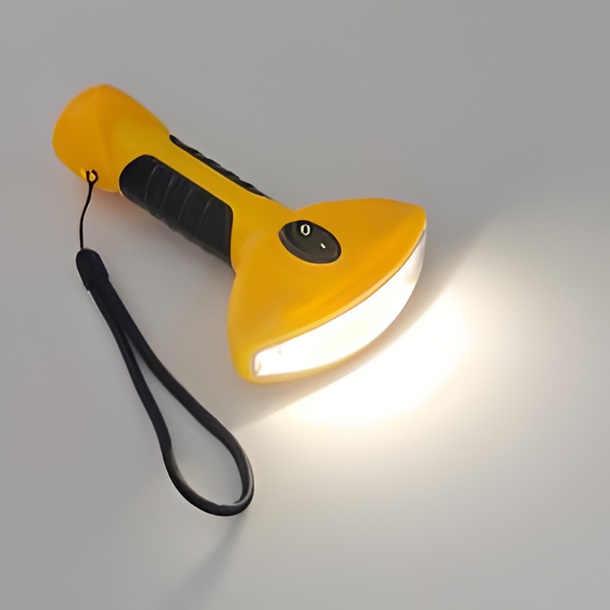
- A torch or rechargeable light
Cold weather can reduce battery performance, so power banks should be checked occasionally rather than left untouched all winter. A torch is useful even if your phone has a light, especially if your battery is low or you need hands-free visibility.
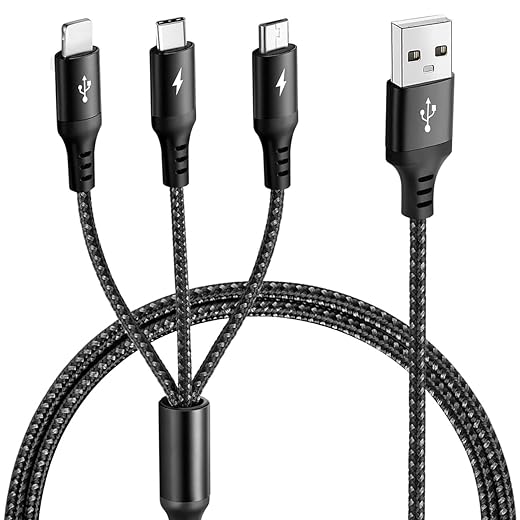
One cable that covers all common phone types
Keeping a multi-connector cable in the car means you can charge almost any phone without guessing which lead you need. A simple backup that helps keep you connected during winter delays.
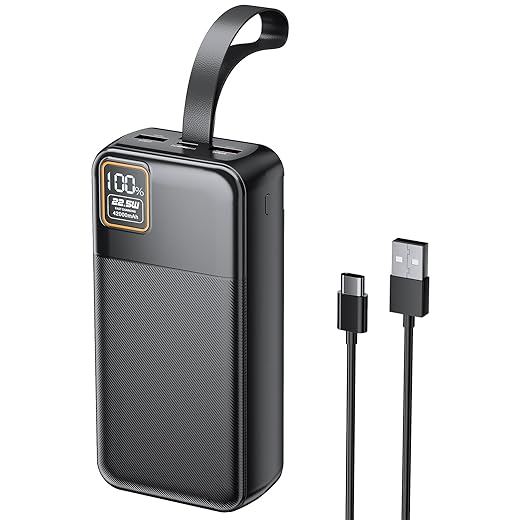
Reliable backup power when your phone battery drops
Cold weather drains phone batteries faster than expected, especially when using maps or calling for help. A high-capacity power bank gives peace of mind if you are stuck waiting.

Makes you visible if you need to leave the vehicle
If you have to step out of your car in poor light or bad weather, a hi-vis vest helps drivers see you sooner. Lightweight and easy to store in the glove box or door pocket.
Emergency warmth that does not rely on the car
Direct heat can make waiting much more comfortable, particularly for hands and feet.
Reusable and disposable heat solutions are useful because:
- They provide warmth without relying on the car heater
- They help keep hands and feet warm enough to stay comfortable and use a phone
- They can be shared between passengers, including children
Air-activated hand and body warmers are particularly practical for winter car use. They activate on contact with air, require no preparation, and provide steady heat for several hours. This makes them well suited to long waits or breakdowns where you may be sitting still for some time.
Foot warmers work in a similar way and can make a noticeable difference if the cabin cools down, especially when wearing winter boots. Keeping feet warm often helps overall comfort more than people expect.
Heated clothing, such as lightweight heated gilets, can also be useful in colder conditions. These provide adjustable warmth and are designed to be worn while sitting. However, they rely on a charged power bank, so they work best as a supplement rather than a replacement for non-powered options.
All of these work most effectively alongside gloves or warm layers rather than on their own.
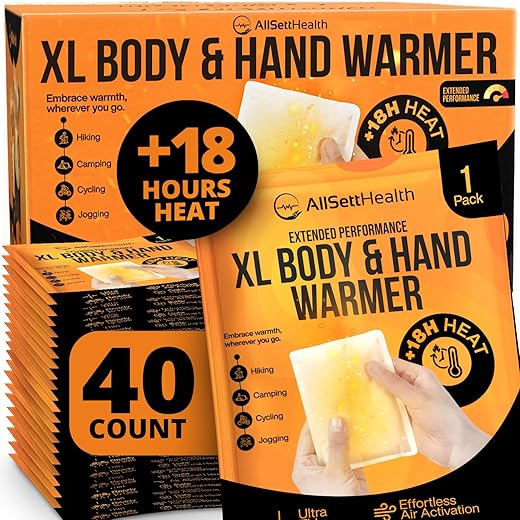
Air-activated warmers provide steady warmth without batteries or charging. Useful to keep in the car for long winter waits or if the heating is no longer running.

Cold travels up from your feet when you’re not moving, especially in winter conditions. These insole warmers activate quickly and help maintain comfort during delays.
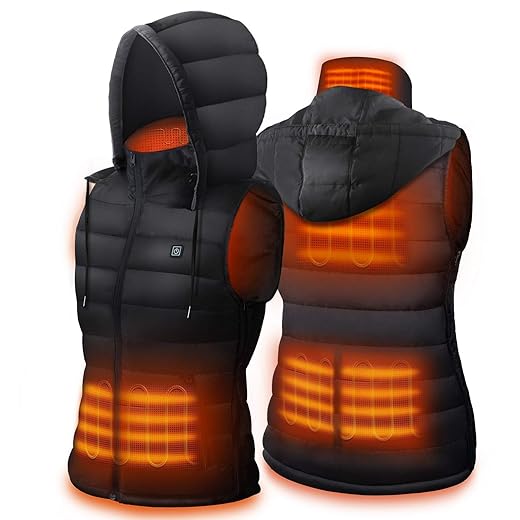
A heated gilet adds extra body warmth when temperatures drop for extended periods. Best suited for planned winter travel or very cold conditions rather than everyday storage.
Ice, visibility, and simple preparation tools
Icy mornings and condensation are common throughout UK winters, even when temperatures are only just below freezing.
Helpful items to keep in the car include:
- An ice scraper
- De-icer
- A cloth for clearing condensation
- Screenwash suitable for low temperatures
These are easy to overlook until the first freezing morning, when they become immediately important.
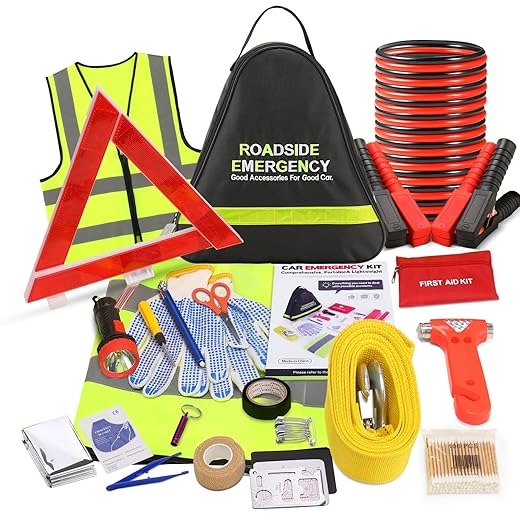
Covers multiple basics in one place
A multi-item breakdown kit brings together essentials like warning triangles, a torch, and basic tools in a single bag. Useful for drivers who want a simple, organised backup rather than sourcing items individually.
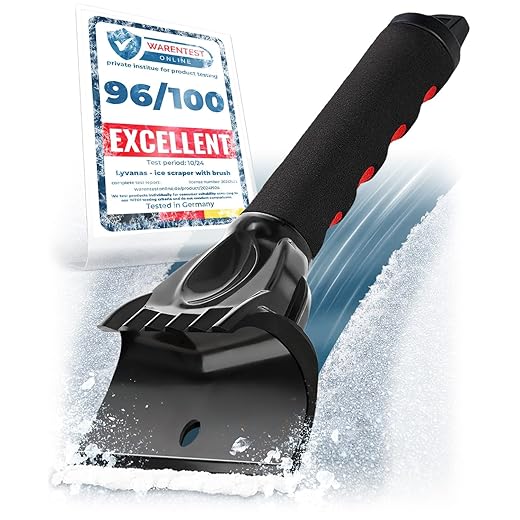
Clears frost quickly on cold UK mornings
An ice scraper is one of those items you only miss when you do not have it. Keeping one in the car makes early winter starts quicker and avoids scraping with unsuitable objects.

Helps when ice is thick or time is tight
De-icer is useful when frost is stubborn or you need to get moving quickly. A small bottle kept in the car can save time and effort on freezing mornings.

Reduces condensation between winter drives
Condensation and misted windows are common during UK winters, even without freezing temperatures. A reusable dehumidifier helps keep visibility clearer when you start the car.
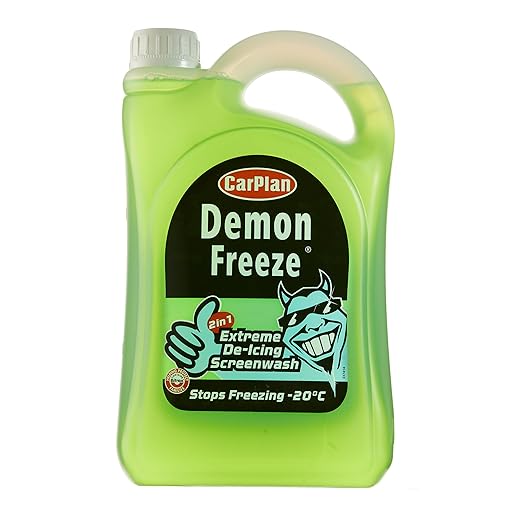
Maintains clear windscreens in winter conditions
Winter screenwash prevents freezing and helps clear salt, grime, and road spray. Keeping it topped up avoids sudden visibility problems during cold spells.
Drinking water that is still usable during delays
Hydration is often underestimated in winter. Long waits, dry heated air, and stress can all contribute to fatigue, even in cold conditions.
A sturdy refillable water bottle is more reliable than single-use bottles during winter travel. Refillable bottles are less likely to split or leak if temperatures drop and can be topped up as needed on longer journeys or when travelling through rural areas.
Single-use bottles are more prone to freezing, cracking, or leaking in cold weather. Keeping a refillable bottle inside the cabin rather than the boot helps prevent this and ensures the water remains usable during delays.

Keeps drinks usable during long winter delays
An insulated bottle helps prevent drinks freezing in cold weather or going lukewarm during long waits. A reliable option to keep in the car for hydration when journeys take longer than planned.
Food that copes better with cold temperatures
If you keep food in the car during winter:
- Choose snacks that do not freeze solid
- Avoid liquids that expand and leak
- Pick packaging that is easy to open with cold hands
Wrapped oat bars or protein bars tend to cope better than brittle or moisture-heavy foods. The goal is simple energy and convenience, not a full meal.
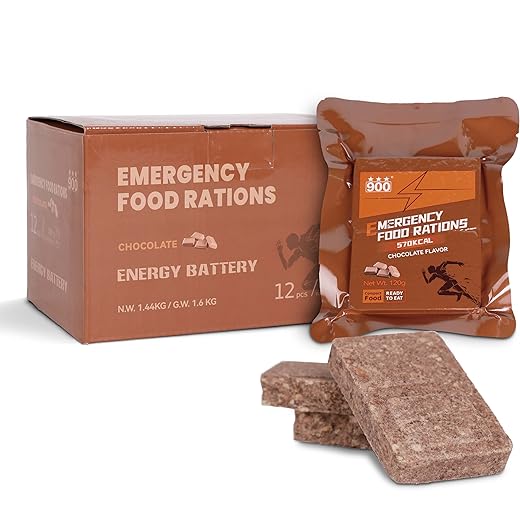
Long-lasting energy that survives cold storage
These dense food bars are designed to keep well in storage and provide steady calories when needed. Suitable as a backup option for winter delays rather than everyday snacking.

Dry, easy-to-eat snacks that handle the cold
Dry snacks cope better with low temperatures and are easier to eat when hands are cold. Individual packs make them convenient to keep in the car without mess or leaks.

Simple energy without liquids or crumbs
Dried fruit bars provide quick energy and are less likely to freeze solid compared to softer snacks. Wrapped packaging makes them easier to handle during cold winter waits.

A quick lift when tiredness sets in
Energy gummies offer a small boost without relying on drinks that can spill or freeze. Best used sparingly during long or stressful winter delays.
Optional: hazard and alert technology
Poor weather, low winter sun, and fog can all reduce reaction time, particularly on unfamiliar roads or during long winter journeys.
Standalone road alert devices, such as the TomTom Road Alert Assistant, provide advance warnings about incidents, sudden traffic slowdowns, and changing road conditions ahead. These alerts can give drivers extra time to adjust speed or prepare for stationary traffic, which is especially helpful when visibility is poor.
They are not essential for everyday driving, but some drivers find that this type of device offers added reassurance during winter travel, particularly on motorways or longer routes.

Extra awareness during winter driving delays
This road alert assistant provides live traffic, hazard, and speed limit warnings through your phone, helping you react earlier to problems ahead. Useful on unfamiliar routes or longer winter journeys when conditions and delays change quickly.
What most people do NOT need in a UK winter car
Some items are heavily marketed for winter driving but are rarely useful for most UK drivers.
These include:
- Large survival kits designed for extreme climates
- Fuel-powered heaters
- Heavy tools that never get used
For typical UK winter conditions, these add weight and clutter without solving the most common problems, which are waiting, visibility, and staying warm.
A realistic winter car kit for UK drivers
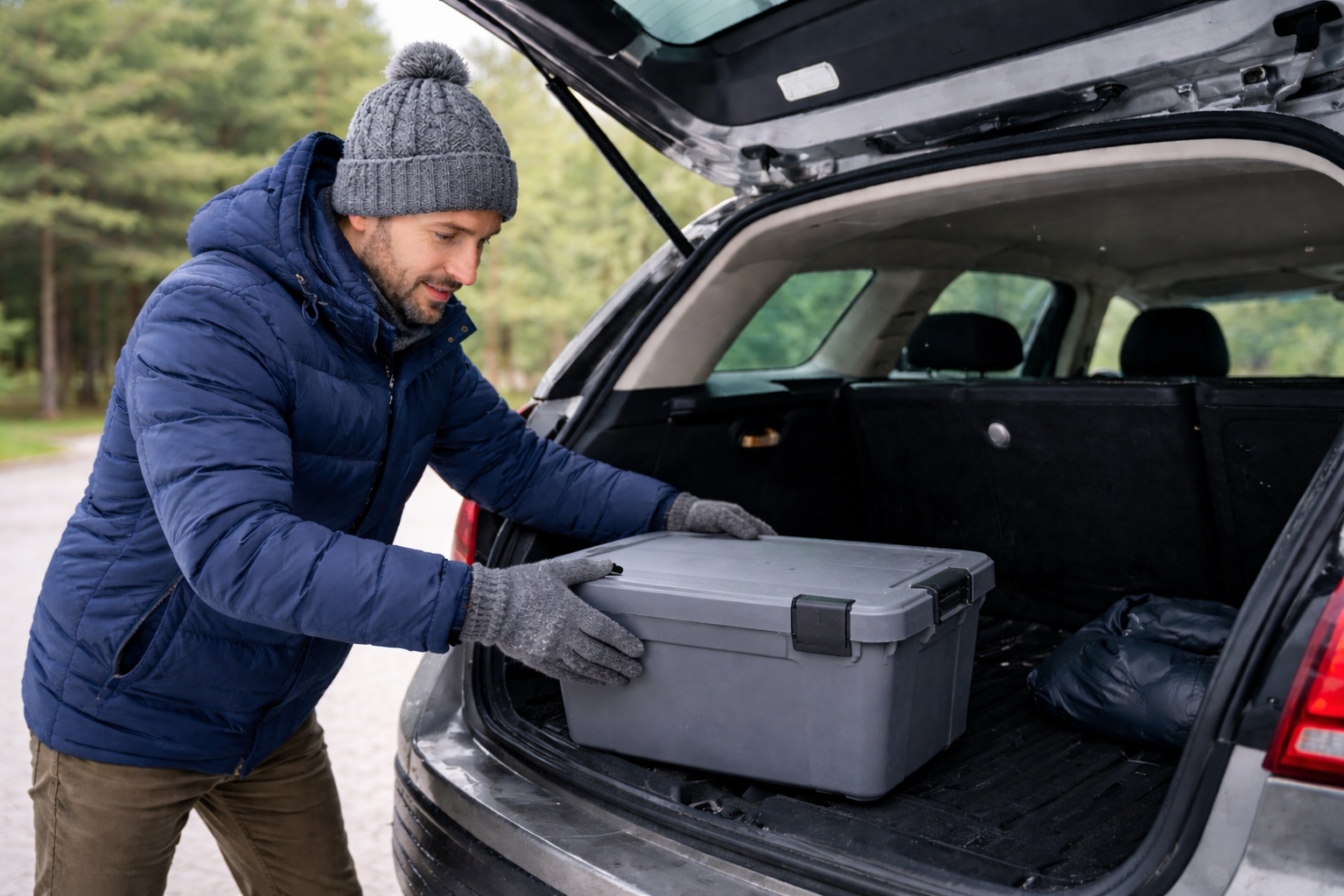
You do not need to fill the boot. A small bag or crate is enough.
A practical winter setup includes:
- Thermal socks or gloves
- A reusable heat pack
- Phone charging cable and power bank
- Torch and high-visibility vest
- Refillable water bottle
Once assembled, most people leave this in the car until spring.
Common winter mistakes drivers make
- Relying on the car heater instead of clothing
- Assuming short journeys cannot turn into long delays
- Forgetting that phone batteries drain faster in cold weather
- Keeping essential items in the boot instead of within reach
Most winter inconvenience comes from small oversights rather than major failures.
Frequently asked questions
Do I legally need a winter car kit in the UK?
No. There is no legal requirement, but basic preparation can reduce inconvenience and risk during delays or breakdowns.
Is specialist winter gear worth buying?
Only for regular long-distance drivers. Most people benefit more from simple, everyday items.
Is bottled water enough in winter?
It can help, but bottles can freeze or leak. Refillable options are often more reliable.
Final thoughts
The best things to keep in the car for winter in the UK are not dramatic purchases. They are small, practical items that solve predictable problems.
Most drivers only think about them once they are stuck waiting in the cold. For everyday winter travel, a little preparation goes a long way.