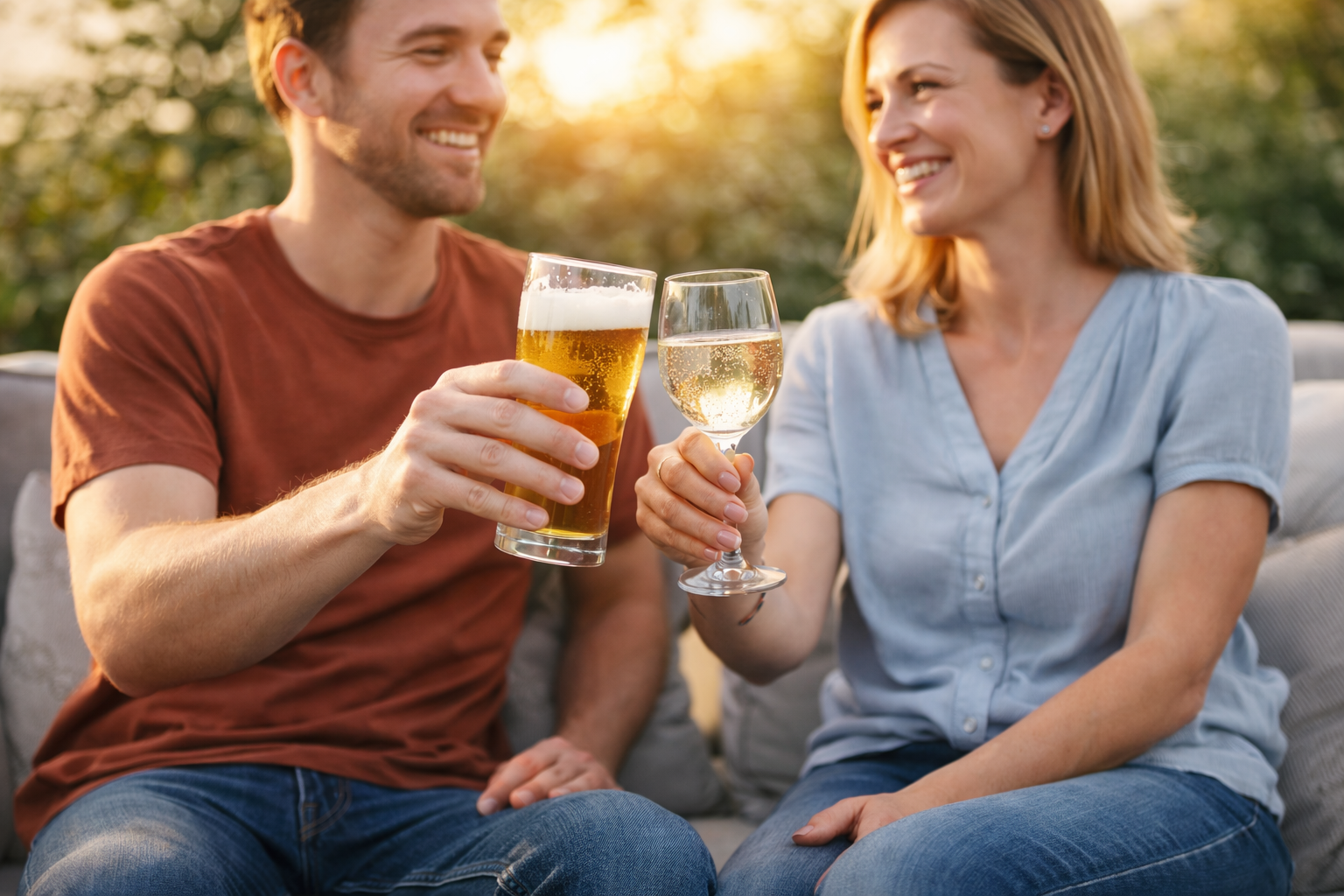
Imagine going out for dinner with friends or meeting colleagues at a pub after work. Everyone else orders beer, wine or cocktails, but you’re trying to avoid alcohol.
The obvious options are sparkling water or a sugary soft drink. Neither really feels like a satisfying replacement.
This is exactly why the market for alcohol-free alternatives to alcohol has grown so quickly. Over the last decade, producers have developed drinks designed specifically for adult tastes rather than simply offering soft drinks as substitutes.
Today there are botanical spirits that recreate the experience of cocktails, dealcoholised wines that still work with meals, alcohol-free craft beers that retain bitterness and aroma, and even sophisticated aperitifs designed to mimic classic pre-dinner drinks.
These products are no longer niche options reserved for Dry January. Many people now include alcohol-free drinks regularly as part of their lifestyle, whether to improve sleep, reduce alcohol consumption, or simply enjoy social occasions without the downsides of drinking.
This guide explores the most convincing alcohol-free alternatives to alcohol, explains how they are made, and highlights some of the best alcohol-free drinks currently available in the UK.
Quick Picks: Best Alcohol-Free Alternatives
If you want to try some of the most convincing alcohol-free alternatives to alcohol straight away, these are a few strong starting points.
Best alcohol-free spirit
Sentia GABA RedBest alcohol-free cocktail kit
Pornstar Mocktini Gift BoxBest alcohol-free wine
Eins Zwei Zero alcohol-free winesBest alcohol-free beer
Drop Bear Beer Co. Tropical IPABest alcohol-free cider
Thatchers Zero


:fill(white):fill_transparent()/https://cdn.shopify.com/s/files/1/0256/3430/8168/files/Tropical-square_png.webp?v=1714832568)

What Does “Alcohol-Free” Actually Mean in the UK?
Alcohol labelling in the UK can be confusing because several terms are used interchangeably.
Officially:
| Drink Type | Maximum ABV |
|---|
| Alcohol-free | No more than 0.05% ABV |
| De-alcoholised | Up to 0.5% ABV |
| Low alcohol | Up to 1.2% ABV |
In everyday retail, drinks containing up to 0.5% ABV are often marketed as alcohol-free alternatives, even though technically they fall into the de-alcoholised category.
In this guide, we focus on drinks marketed as alcohol-free or 0.0% alternatives to traditional alcoholic drinks.
Why Alcohol-Free Drinks Are Becoming More Popular
Alcohol consumption habits have shifted noticeably in the UK over the last decade. While drinking remains part of social culture, many people are deliberately cutting back.
Health is one reason. Alcohol affects sleep quality, hydration and next-day energy levels. Even moderate drinking can leave people feeling tired or less focused the following day.
Lifestyle changes also play a role. Fitness culture and wellbeing trends have made people more aware of their habits. Alcohol-free drinks allow people to participate in social occasions without compromising personal goals.
Another important factor is the dramatic improvement in product quality. Earlier alcohol-free drinks often tasted thin or overly sweet. Modern producers now use brewing, fermentation and botanical extraction techniques to create drinks with much more complex flavour profiles.
The result is a growing range of alcohol-free alternatives to alcohol that can replace beer, wine or cocktails in social situations.
How Alcohol-Free Drinks Are Made
Producing convincing alcohol-free drinks requires specialised techniques that preserve flavour while reducing or removing alcohol. Different categories of alcohol-free drinks use different production methods depending on the style of drink being created.
Some alcohol-free beers and wines begin life as traditional alcoholic drinks. Brewers or winemakers first produce the drink using normal fermentation methods, allowing the flavour compounds to develop fully. The alcohol is then gently removed using techniques such as vacuum distillation or reverse osmosis. These methods separate alcohol from the liquid while preserving much of the aroma, flavour and body that make the drink enjoyable.
Other alcohol-free drinks are designed to be alcohol-free from the very beginning. Botanical spirits, for example, rely on carefully selected herbs, spices and citrus peels that are infused or distilled into water-based bases. This process extracts aromatic oils and flavour compounds that create complexity without requiring fermentation or alcohol.
Fermented drinks such as kombucha follow a different path. They rely on natural fermentation to develop acidity, light carbonation and subtle flavours. While kombucha is not designed to mimic alcohol directly, its layered flavour profile and slight tartness can provide a similarly sophisticated drinking experience.
Thanks to these production techniques, many modern alcohol-free drinks now offer bitterness, acidity and mouthfeel that feel far more refined than traditional soft drinks.
What to Expect When Switching to Alcohol-Free Drinks
Many people trying alcohol-free drinks for the first time expect them to taste exactly like traditional alcoholic beverages. While modern alcohol-free drinks have improved significantly, the experience is naturally a little different because alcohol itself contributes to flavour intensity, aroma and texture.
Alcohol provides warmth, body and a slightly oily mouthfeel that helps carry flavour. When it is removed, drinks can sometimes feel lighter or less intense. However, this difference varies depending on the type of alcohol-free drink.
Alcohol-free beer is often the closest match to its alcoholic counterpart because brewing methods can preserve much of the original flavour profile. Craft alcohol-free beers such as IPAs or stouts often retain the bitterness and hop character that beer drinkers enjoy.
Alcohol-free spirits are usually designed to be mixed rather than consumed on their own. When combined with tonic water, citrus or other ingredients, they can create convincing alcohol-free cocktails with complex botanical flavours.
Alcohol-free wine can feel slightly lighter than traditional wine, but it still works well when served chilled and paired with food. Crisp white wines and sparkling varieties tend to perform particularly well in alcohol-free formats.
Some drinks do not attempt to replicate alcohol directly at all. Botanical aperitifs, fermented drinks and kombucha instead focus on delivering layered flavours and refreshing acidity that provide a satisfying alternative.
Understanding these differences can help you approach alcohol-free drinks with the right expectations and choose options that best match their taste preferences.
Best Alcohol-Free Spirits
Alcohol-free spirits are one of the fastest growing categories of alcohol alternatives. They are designed to replicate the experience of drinking spirits such as gin or aperitifs, usually when mixed with tonic water or soda.
Without alcohol, producers rely heavily on botanical ingredients to create complexity. Citrus peel, herbs, spices and roots are often used to produce bold flavour profiles.
These drinks work particularly well in cocktails because mixers help recreate the balance normally provided by alcohol.
Sentia Botanical Spirits
Sentia takes a slightly different approach to alcohol-free spirits. Instead of copying a specific spirit like gin, the brand focuses on botanical blends designed to create a relaxed social drinking experience.
Sentia Red offers warming herbal flavours, while Sentia Black leans toward deeper botanical complexity. Sentia Gold provides lighter citrus notes that work well in refreshing mixed drinks.
Serving suggestion
Mix 50ml Sentia with premium tonic water and a slice of orange.
It offers herbal, lightly spiced flavours and is designed to mimic the relaxing social experience of drinking.

Designed for more complex alcohol-free cocktails and evening drinks.

Ideal for lighter serves with soda, tonic or fresh lime.
Crossip Cocktail Spirits
Crossip produces alcohol-free spirits designed specifically for cocktails. One common problem with alcohol-free spirits is that their flavour disappears when diluted with mixers.
Crossip addresses this by creating bold botanical blends that remain noticeable in cocktails.
This makes them particularly useful for recreating drinks such as margaritas, spritz cocktails and citrus-based mixed drinks.
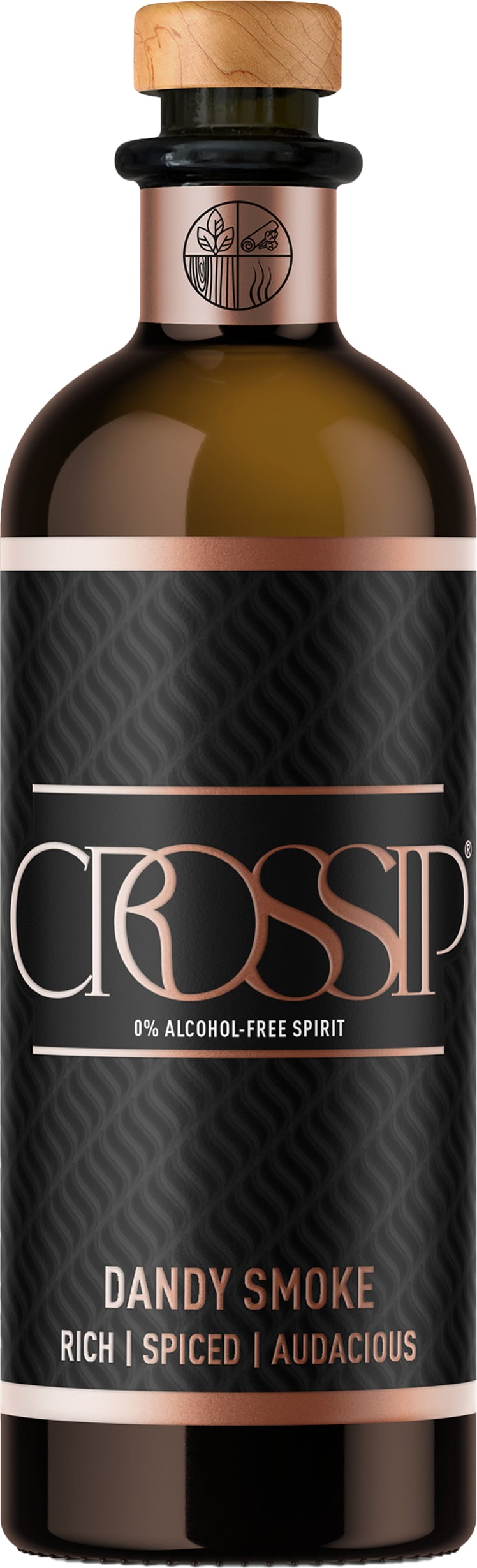
A great choice for rich, grown-up mocktails with depth.
Mahala Botanical Spirit
Mahala is another alcohol-free botanical spirit designed as a gin-style alternative. It focuses on bright citrus notes, juniper and herbal botanicals that mimic the flavour profile of classic gin drinks.
Like many botanical spirits, Mahala works best when mixed with tonic water or soda, allowing the botanicals to shine.
Serving suggestion
Serve with tonic water, ice and a slice of lime.

Best served with tonic and citrus.

Fresh, aromatic and ideal with tonic, rosemary and citrus.
Comparison: Popular Alcohol-Free Spirits
| Brand | Type | Taste | Best Use |
|---|---|---|---|
| Sentia | Botanical spirit | Herbal, citrus | Relaxing drinks |
| Crossip | Cocktail spirit | Citrus and spice | Mocktails |
| Mahala | Gin alternative | Juniper, herbs | Gin-style drinks |
Alcohol-Free Hampers
Alcohol-free hampers have become a popular gift option for people who want to celebrate without alcohol. Instead of focusing on wine or spirits, these hampers usually combine alcohol-free drinks with premium snacks, sweet treats and artisan foods. They work particularly well as gifts for birthdays, thank-you presents, celebrations or occasions like Dry January.
Many alcohol-free hampers include drinks such as sparkling elderflower, craft sodas, lemonade or ginger beer alongside gourmet nibbles like nuts, biscuits, fudge and savoury snacks. The result is a gift that still feels indulgent and celebratory, even without alcohol.

Expect items such as Sicilian lemonade, hot ginger beer, Cornish fudge and rosemary almonds, making it a well-rounded gift for relaxing evenings or special occasions.

With items such as cranberry biscuits, chocolate spread and marmalade, it’s designed as a thoughtful alcohol-free gift for celebrations or special occasions.
Alcohol-Free Cocktails and Mocktails
For many people, the experience of drinking alcohol is closely linked to enjoying cocktails in social settings. Alcohol-free cocktails, often called mocktails, recreate that experience without alcohol.
Instead of relying on spirits like gin or rum, mocktails combine ingredients such as fruit juice, herbs, citrus, soda, bitters and botanical spirits.
These drinks are often more satisfying than simple soft drinks because they include layered flavours and presentation similar to traditional cocktails.
Many alcohol-free spirits such as Sentia, Crossip and Mahala can be used to create convincing mocktails, while some companies produce complete cocktail kits designed specifically for alcohol-free drinks.
Cocktail Crates Alcohol-Free Cocktail Sets
One of the easiest ways to enjoy alcohol-free cocktails at home is with ready-made cocktail kits.
Cocktail Crates produces a range of cocktail boxes that include everything needed to make popular drinks in alcohol-free form. These sets recreate classic cocktails such as mojitos, spritz-style drinks and other mixed drinks using alcohol-free ingredients.
Typical kits include:
- mixers and flavourings
- alcohol-free cocktail bases
- ingredients for several servings
- instructions for preparing the drinks
Because they provide the full cocktail experience without alcohol, these kits are also popular gift options.
With passion fruit nectar, citrus and sparkling ingredients included, it makes up to four premium mocktails.

Includes ingredients to make six mocktails with tropical and citrus flavours.

Ideal for relaxing evenings or thoughtful alcohol-free gifting.
Alcohol-Free Wine
Wine drinkers often look for alcohol-free alternatives that still work well with food.
Producing alcohol-free wine is technically challenging because alcohol contributes body and texture to wine. Removing it can sometimes make the wine feel lighter.
Modern producers attempt to preserve flavour by carefully controlling fermentation and using gentle dealcoholisation methods that maintain aromatic compounds.
Alcohol-free wines tend to work best when served well chilled, which emphasises freshness and acidity.
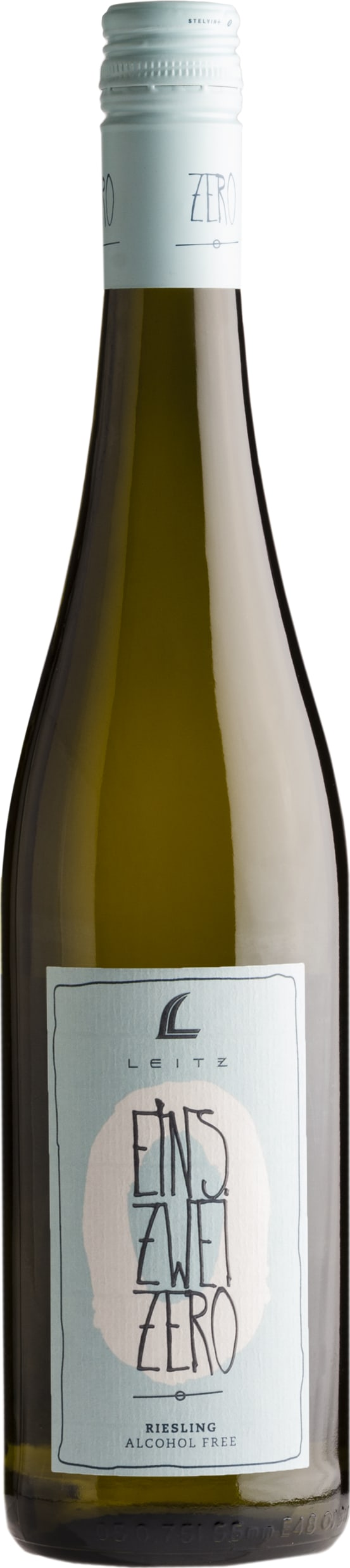
Eins Zwei Zero Wines
The Eins Zwei Zero range from German producer Leitz has become one of the most recognised alcohol-free wine collections.
These wines include crisp Riesling, refreshing rosé and sparkling varieties suitable for celebrations or light meals.
Serving suggestion
Serve chilled with seafood, salads or light pasta dishes.
Expect bright lime, apple and mineral flavours that make it an excellent alcohol-free alternative to white wine.
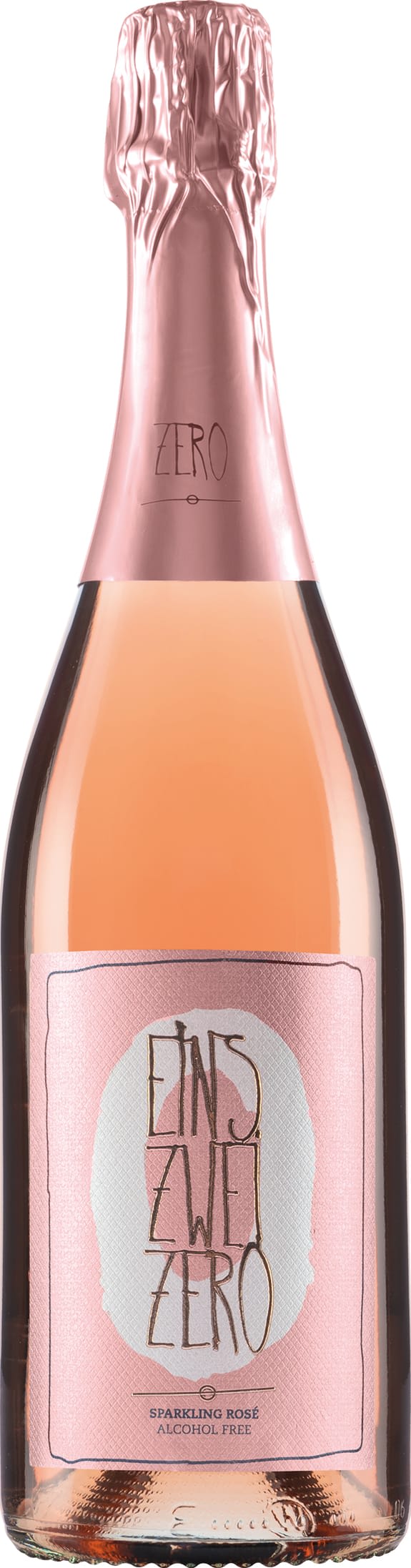
A strong option for parties, toasts and special occasions without alcohol.
Alcohol-Free Beer
Alcohol-free beer has improved dramatically over the past decade, largely thanks to modern brewing techniques that allow brewers to preserve hop aroma, bitterness and body even after alcohol has been reduced or removed. Early alcohol-free beers often had a reputation for tasting watery or overly sweet, but the latest generation of craft alcohol-free beers is far more convincing. Many breweries now produce alcohol-free versions of popular styles such as IPAs, pale ales and stouts, meaning people who enjoy beer can still experience familiar flavours and textures without the alcohol.
Many alcohol-free beers marketed in the UK contain up to 0.5% ABV, which is widely regarded as alcohol-free in everyday retail and hospitality settings. Because beer flavour is created through hops, malt and yeast rather than alcohol alone, brewers can still deliver bitterness, citrus aromas and roasted malt character even when alcohol is removed. The result is a much broader range of alcohol-free beers than in the past, including tropical IPAs, citrus-forward pale ales and darker stout-style drinks. In this section you’ll find a mix of craft options such as Drop Bear Beer Co. Tropical IPA, Drop Bear Beer Co. Yuzu Pale Ale, Drop Bear Beer Co. Bonfire Stout, and Gower Zero IPA, each representing a different style within the modern alcohol-free beer category.
It’s vegan, gluten-free and brewed to recreate the full flavour of an IPA while remaining alcohol-free.
:fill(white):fill_transparent()/https://cdn.shopify.com/s/files/1/0256/3430/8168/files/bonfire-square_png.webp?v=1714832571)
Expect roasted flavour, smooth texture and a more robust finish.
:fill(white):fill_transparent()/https://cdn.shopify.com/s/files/1/0256/3430/8168/files/yuzu-square_png.webp?v=1714832574)
Vegan, gluten-free and ideal for lighter beer drinkers.
:fill(white):fill_transparent()/https://cdn.shopify.com/s/files/1/0256/3430/8168/products/189A4457_720x_33a70ef0-b3bc-4c12-86d4-e72623c1e451.jpg?v=1652185793)
A good choice for people who want a more traditional beer profile.
Alcohol-Free Cider
Cider has long been one of the most popular drinks in the UK, particularly during warmer months or at social gatherings, so it’s no surprise that alcohol-free cider has become an important category of alcohol-free alternatives to alcohol. Traditional cider is valued for its crisp apple character, natural sweetness and refreshing carbonation, and modern alcohol-free versions aim to recreate those same qualities while removing or limiting the alcohol content.
Modern alcohol-free ciders are usually produced by fermenting apple juice in a similar way to traditional cider before carefully limiting fermentation or removing the alcohol afterwards. This allows producers to preserve the natural apple flavour, gentle acidity and light fizz that people associate with cider. As with alcohol-free beer, many products sold in the UK contain up to 0.5% ABV, which is widely regarded as alcohol-free for retail purposes. The category now includes both classic apple ciders and fruit-based variations, giving drinkers a range of styles to choose from.
Thatchers Zero
Thatchers Zero is one of the best-known alcohol-free ciders in the UK. Made using traditional cider apples, it delivers a refreshing medium-dry apple flavour.
A refreshing alcohol-free cider made from traditional British apples.
Clean, crisp and easy to drink, with a classic medium-dry finish.
Chance Clean Cider
Chance Clean Cider is crafted from British apples and offers a refreshing crisp apple flavour with subtle citrus notes. It is also vegan and gluten-free.

It’s also vegan and gluten-free, making it a strong modern cider alternative.
Kopparberg Alcohol-Free Fruit Cider
Kopparberg’s alcohol-free range recreates the brand’s well-known fruit cider flavours in a 0.0% format.
Serving suggestion
Serve chilled with ice and a slice of apple.

A mixed selection of Kopparberg’s popular fruit cider flavours in alcohol-free form.
Refreshing, fruity and ideal for summer gatherings or easy-drinking occasions.
Aperitifs and Botanical Drinks
Aperitifs are traditionally served before meals and are known for their bittersweet herbal flavour profile, designed to stimulate the appetite before food. Many classic aperitif cocktails use drinks such as Campari or Aperol, which combine citrus, herbs and bitterness to create refreshing spritz-style drinks.
Alcohol-free aperitifs aim to recreate this same flavour experience without the alcohol. Instead of using spirits, producers rely on carefully selected botanical ingredients such as herbs, citrus peel, roots and spices to build complexity. The result is a drink that delivers bitterness, aroma and depth rather than simply sweetness, making it a more sophisticated alternative to standard soft drinks.
These drinks are most commonly served as spritz-style drinks by mixing them with soda water, tonic or sparkling water. The carbonation lifts the botanical flavours while the bitterness keeps the drink refreshing and balanced. Because of this, alcohol-free aperitifs are often one of the easiest ways to recreate the experience of a classic pre-dinner drink without alcohol.
One example in this category is Botivo Aperitivo, a non-alcoholic botanical drink that combines herbs, citrus peel and spices to create a layered bittersweet flavour designed for alcohol-free spritz drinks.

Designed for refreshing, grown-up alcohol-free serves with soda or tonic.
Fermented Botanical Drinks
Fermented drinks offer a slightly different approach to alcohol-free drinking. Rather than trying to directly replicate alcoholic drinks like beer or spirits, they rely on natural fermentation to create flavour, acidity and gentle carbonation. This process produces drinks that often feel more complex and interesting than standard soft drinks.
Many fermented alcohol-free drinks fall into the kombucha-style category, where tea or botanical infusions are fermented to develop subtle tanginess and natural fizz. The result is a drink that can be lightly tart, refreshing and layered in flavour. Because of this natural acidity and carbonation, fermented drinks often feel closer to a craft beverage than a sugary soft drink.
These drinks are particularly popular with people who enjoy dry, refreshing flavours rather than sweet drinks, and they can work well as an alcohol-free option for social occasions or meals.
One example in this category is Dffrnt Botanical Drinks, which produces kombucha-style drinks infused with botanical flavours that provide natural carbonation and refreshing acidity.

A more sophisticated alcohol-free option than standard soft drinks.

A strong option for people who prefer dry, complex alcohol-free drinks.
Final Thoughts: Choosing the Right Alcohol-Free Alternative
The range of alcohol-free alternatives to alcohol has expanded dramatically in recent years. What was once limited to sugary soft drinks or sparkling water now includes a wide spectrum of sophisticated options, from botanical spirits and alcohol-free beers to dealcoholised wines and craft ciders.
The key to finding the right alcohol-free drink is understanding what type of drinking experience you want to replace.
If you normally enjoy beer, alcohol-free craft beers often provide the closest match in flavour and mouthfeel. Wine drinkers may find dealcoholised wines work best with meals, while cocktail fans usually prefer botanical spirits that can be mixed with tonic, soda or citrus.
For social occasions and gatherings, alcohol-free cider and mocktail-style drinks tend to be the easiest options because they are refreshing and widely appealing.
Exploring different categories such as botanical spirits, alcohol-free beer, wine and cider is usually the best way to discover which alcohol-free alternatives to alcohol work best for your own tastes and occasions.