The Moment You Realise Irish Culture Has Taken Over Your Kitchen
It never happens suddenly.
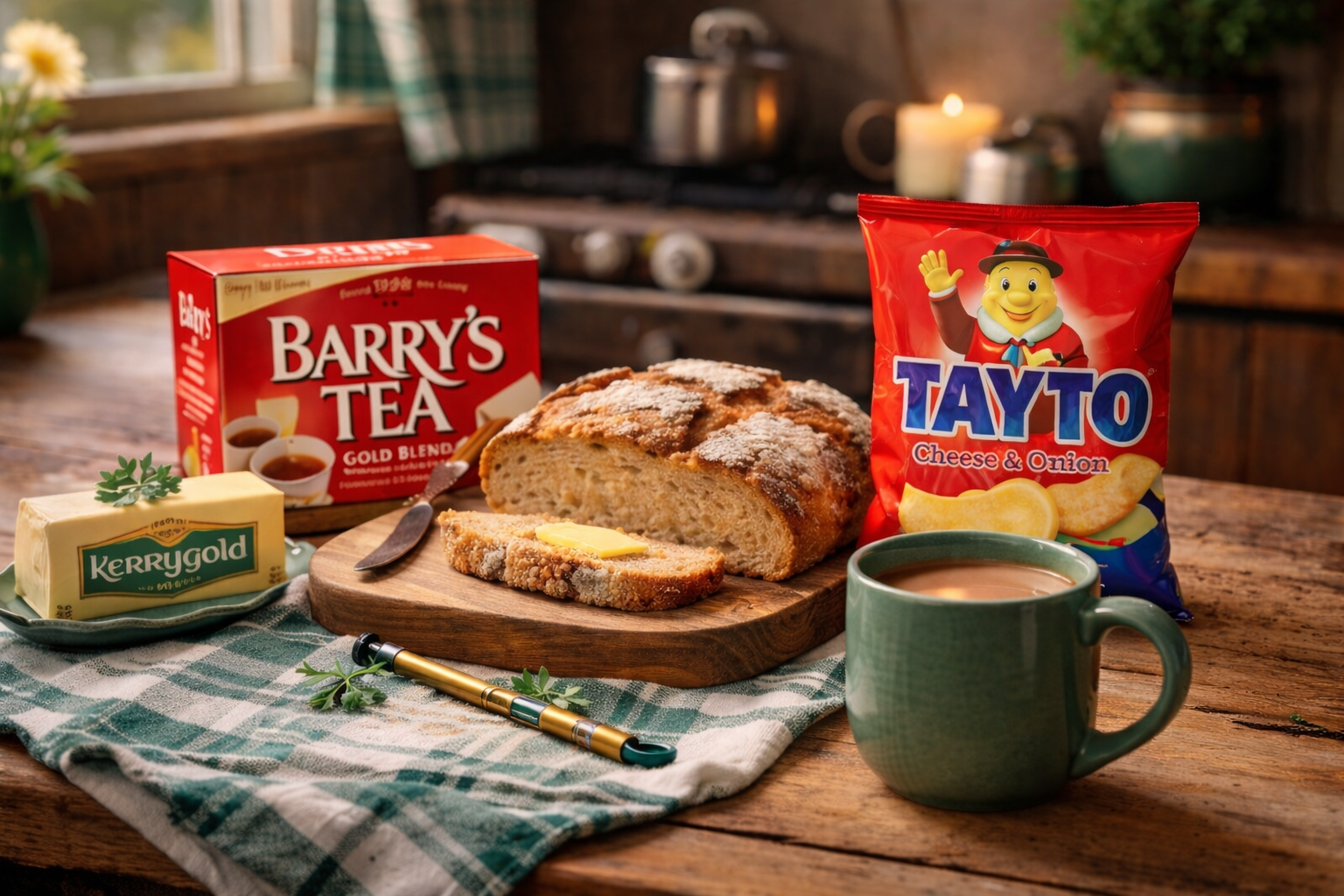
At first it’s just small things. A stronger cup of tea than you’re used to. Butter that somehow tastes noticeably better. Bread appearing on the table still warm from the oven.
Then habits start to change. Tea becomes the solution to everything. Guests are offered food before they’ve even taken their coats off. Someone puts on traditional music and suddenly the room feels less like a quiet evening and more like a gathering that’s been happening for years.
Eventually you notice something else.
Your kitchen has started to look suspiciously Irish.
Somewhere around the world right now, someone is discovering that their great-great-grandfather once passed through Dublin and deciding that qualifies them to celebrate St Patrick’s Day properly.
This shouldn’t really be surprising. Irish culture has travelled remarkably well around the world.
Why Everyone Thinks They’re a Little Bit Irish
Ireland might have a population of around five million people, but if family stories are to be believed, there are roughly two billion people worldwide who are “a bit Irish somewhere back in the family.”
Some genuinely have Irish ancestry.
Others discovered that a distant great-grandparent once passed through Cork in 1897 and decided that was more than enough to start celebrating St Patrick’s Day enthusiastically every March.
Either way, Irish traditions have a habit of spreading.
And wherever they go, the same familiar comforts appear again and again.
Tea. Bread. Music. A few shamrocks. Something faintly ridiculous for St Patrick’s Day.
Put them together and you’ve got what could reasonably be called the Irish starter pack.
Everything Starts With the Kettle
If you want to understand Ireland, start with the kettle.
Ireland consistently ranks among the world’s highest tea-consuming countries, with estimates suggesting two to three kilograms of tea per person each year.
Tea isn’t just a drink. It’s a social system.
Tea is offered when someone visits.
Tea appears when something good happens.
Tea appears when something terrible happens.
Anyone who has watched Father Ted will recognise the national tea philosophy captured perfectly by Mrs Doyle, whose approach to hospitality was simple:
“Go on, go on, go on… have a cup of tea.”
Barry’s Irish Breakfast Tea is one of the most recognisable blends in Ireland and has been a staple in Irish kitchens for generations. It’s strong enough to hold its own against milk and designed to be comforting rather than delicate.

One of Ireland’s most famous teas. Strong, smooth and perfect with milk, it’s the kind of tea Mrs Doyle would insist you drink whether you asked for it or not.
Next to the kettle you’ll usually find Kerrygold butter. Irish dairy has become famous internationally thanks to grass-fed cows and a mild climate that produces milk with a richer flavour and colour.
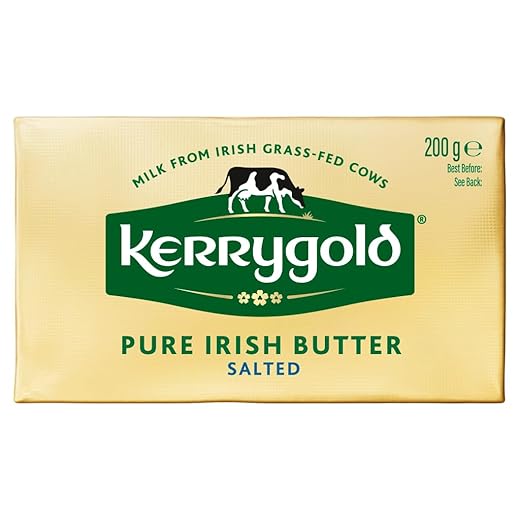
Rich, golden Irish butter made from grass-fed cows. Spread it on warm bread once and you’ll understand why Ireland takes butter very seriously.
And of course butter demands bread.
Soda bread became common during the nineteenth century, particularly after baking soda became widely available during the 1840s famine period, when households needed simple and reliable baking methods.
Today the tradition continues with soda bread kits and Guinness bread mixes that recreate those familiar flavours.

An easy way to bake traditional Irish soda bread at home. Just add a few ingredients and enjoy a warm loaf that tastes like it came straight from an Irish kitchen.

Bake rich, dark Guinness bread at home with this simple kit. Perfect with butter, soup or anything that deserves a proper Irish loaf.
Then come the snacks.
Tayto cheese and onion crisps are practically a national institution. For many Irish people they’re tied to school lunches, road trips and the strangely brilliant invention of the crisp sandwich.

Add Irish Cadbury chocolate to the cupboard and the kitchen section of the Irish starter pack is officially complete.

A selection of beloved Irish Cadbury bars including Mint Crisp, Tiffin and Golden Crisp. Irish chocolate lovers insist it just tastes better.
If you're looking for alternatives without palm oil, we’ve also put together a guide to chocolate without palm oil in the UK
Sooner or Later, Someone Starts Playing Music
Food may bring people together in Ireland, but music usually keeps them there.
Traditional Irish music sessions are one of the country’s most recognisable cultural traditions. These gatherings happen in pubs, homes and festivals where musicians gradually join in rather than performing on a formal stage.
One of the most common starting instruments is the tin whistle.
Small, affordable and easy to carry, it has introduced generations of beginners to Irish folk music.
Playing it well takes practice.
Playing it enthusiastically takes about ten minutes and a strong belief that nobody in the room minds.

The classic beginner instrument for Irish folk music. Small, simple and capable of producing surprisingly beautiful tunes.
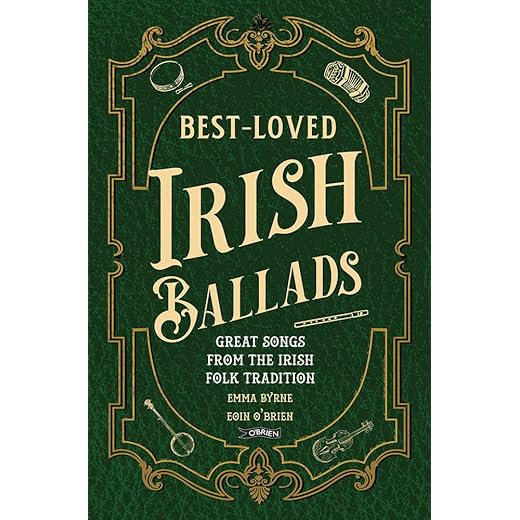
Irish ballads often accompany these instruments, telling stories that stretch across centuries. Some recount history, others explore humour, migration or love.
Books of Irish sayings and folklore add another layer, capturing the humour and storytelling traditions that Ireland is famous for.
Together they form the musical side of the Irish starter pack.
When a Home Starts to Feel Irish
Irish culture also shows up in the atmosphere of a home.
For centuries many Irish houses were heated with turf fires. Turf, or peat, is cut from boglands and burns with a distinctive earthy scent.
For people who grew up around turf fires, the smell instantly brings back memories of rural cottages and long evenings by the fireplace.
Turf incense recreates that scent surprisingly well, bringing a small reminder of Ireland’s countryside indoors.

Recreates the earthy scent of traditional Irish turf fires. One smell and you’ll swear you’re sitting beside a cottage fireplace.
Comfort also plays a role.
A soft green throw blanket on the sofa feels perfectly suited to a rainy evening, something Ireland has become extremely good at providing.

A cosy green throw blanket decorated with shamrocks. Perfect for chilly evenings or adding a bit of Irish charm to your sofa.
Small kitchen details appear too. Shamrock tea towels quietly add personality to everyday cooking, while a sturdy tankard mug often becomes the preferred cup for tea or coffee.
Individually these items seem minor.
Together they make your house look like it could host an Irish grandmother at short notice, which is roughly when you know the transformation is complete.

Soft cotton kitchen towels decorated with lucky shamrocks. A simple way to add a little Irish character to your kitchen.

A sturdy Irish-style tankard mug perfect for tea, coffee or something stronger. Looks like it belongs in a traditional pub.
The Subtle Signs Someone Might Be Irish
Irish identity often appears through small details rather than dramatic displays.
A pair of shamrock socks might peek out beneath a pair of trousers. A clover necklace might be worn as a simple symbol of luck or heritage.

Comfortable navy socks decorated with classic Irish shamrocks. Subtle enough for everyday wear but unmistakably Irish.
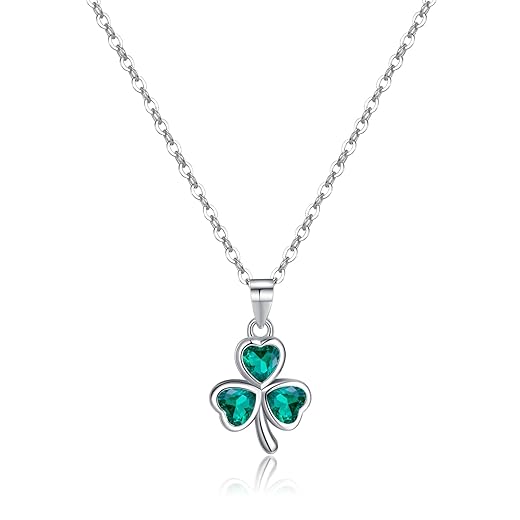
A delicate clover necklace symbolising luck and Irish heritage. A simple but meaningful Irish-themed accessory.
Sport adds another layer.
Rugby is hugely popular across Ireland, and the famous green Ireland rugby shirt appears everywhere during Six Nations matches.

Classic green rugby shirt inspired by Ireland’s national team. Perfect for match days, pub nights or showing Irish pride.
Then there’s the Irish passport.
In recent years it has become one of the most sought-after passports in the world. Because Ireland remains a member of the European Union, Irish passport holders retain full EU freedom of movement, allowing them to live and work across Europe.
After Brexit, applications surged dramatically. In fact, the Irish Passport Service processed over one million applications in 2023 alone, reflecting the global demand.
Which explains why a green passport holder might suddenly appear in someone’s travel drawer.
At that point it’s safe to say the Irish starter pack has moved beyond the kitchen and into daily life.

A stylish green passport cover inspired by the famous Irish passport, one of the most sought-after passports in the world.
When St Patrick’s Day Arrives
If the rest of the year represents quiet traditions, St Patrick’s Day is the moment everything becomes gloriously louder and greener.
Originally a religious feast day honouring Ireland’s patron saint, the celebration has grown into a global event.
Cities across the world now host parades, festivals and parties every March.
Decorations appear first. Irish bunting stretches across rooms and gardens. The green, white and orange tricolour flag appears in windows and pubs.
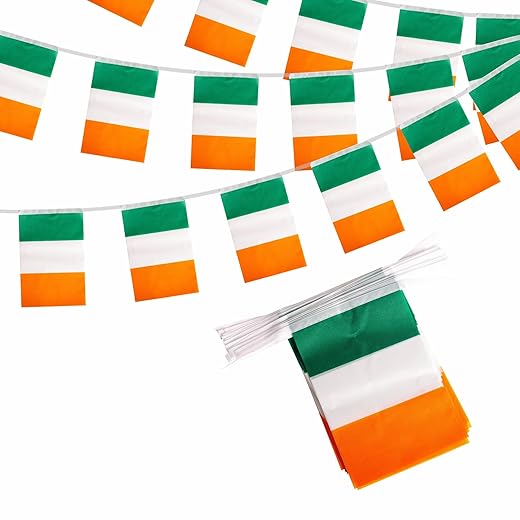
10 metres of Irish flag bunting perfect for parties, parades and St Patrick’s Day celebrations.
Then come the accessories.
A shamrock bucket hat is cheerful and impossible to miss. And eventually someone produces the classic leprechaun hat with beard, instantly transforming its wearer into something resembling a walking parade float.

Bright green bucket hat covered in lucky shamrocks. Perfect for festivals, parades or anyone fully committing to St Patrick’s Day.
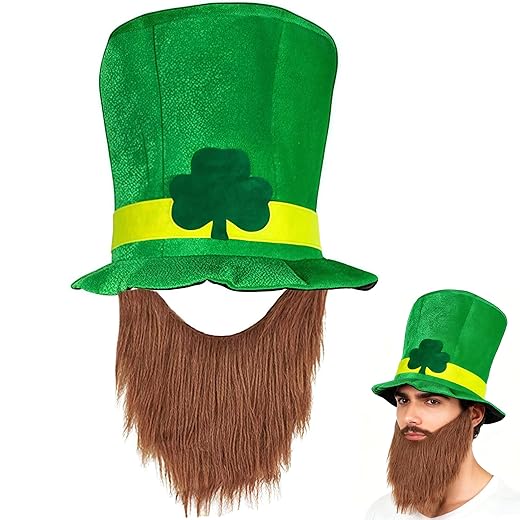
At that stage subtlety has officially left the building.
Why Irish Culture Travels So Easily
What makes the Irish starter pack interesting is how ordinary the items are.
Tea. Bread. Music. Conversation. A celebration that never takes itself too seriously.
These traditions developed from everyday life in small communities where hospitality and storytelling were central to social life.
That’s also why Irish culture travels so well.
Irish pubs appear in cities thousands of miles from Dublin. St Patrick’s Day celebrations take place across the globe. And wherever Irish communities gather, the same familiar rituals appear.
A kettle going on. Something good to eat. Music starting somewhere in the room.
And if you look around your own kitchen right now, you might notice a few of those things already there.
A strong box of tea in the cupboard. Butter that somehow tastes better than it should. A packet of crisps that disappears faster than expected.
That’s really the secret of it.
Irish culture doesn’t rely on grand ceremonies or complicated traditions. It lives in small moments that people share without thinking too much about them.
A cup of tea offered before you’ve even sat down. A loaf of bread passed around the table. Someone picking up a tin whistle and attempting a tune that may or may not go entirely to plan.
And before long, without quite noticing how it happened, your kitchen starts to look a little different.
The kettle’s always within reach.
There’s probably a packet of Tayto somewhere nearby.
And if Mrs Doyle were standing in the doorway right now, she’d almost certainly say the same thing she always does.
“Go on, go on, go on….”